
Wrapping up the year with a thorough MEP (Mechanical, Electrical, and Plumbing) maintenance check helps UAE homes and businesses avoid costly breakdowns and keeps everything running smoothly into the new year.
Why Year-End MEP Maintenance Matters in the UAE
In the UAE’s harsh climate, MEP systems work hard all year. Dust, humidity, and temperature swings can strain air conditioning, plumbing, and electrical systems. Year-end maintenance is a chance to spot wear, address safety issues, and plan upgrades before problems escalate. For businesses, this can also help avoid disruptions during peak seasons.
For example, neglected AC units may suddenly fail during the first heatwave, while unnoticed electrical issues can cause outages during high-demand periods. Proactive checks also help property owners budget for upcoming repairs or replacements, rather than facing unexpected expenses.
Core Elements of a Year-End MEP Maintenance Checklist
1. HVAC: Air Conditioning and Ventilation
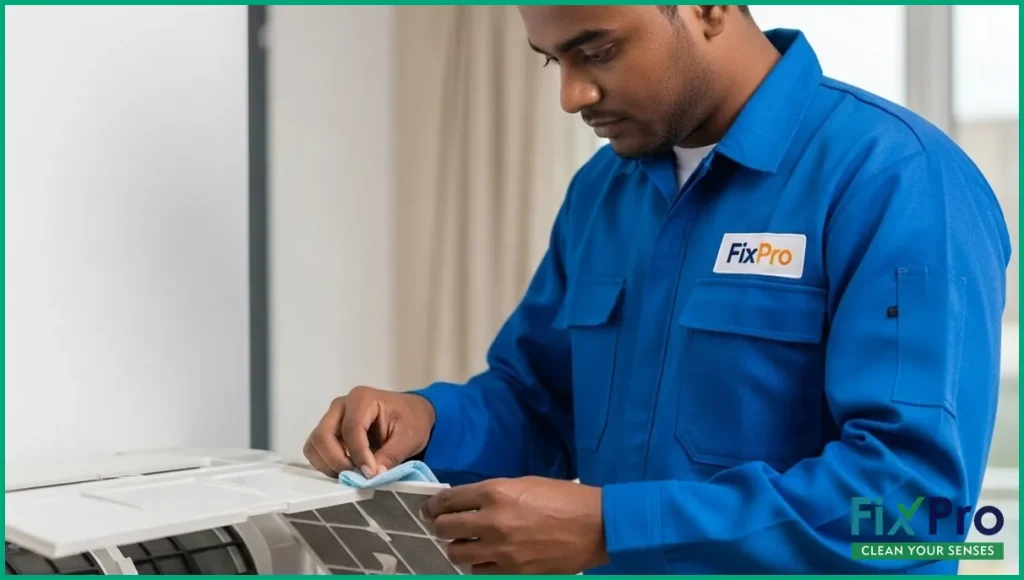
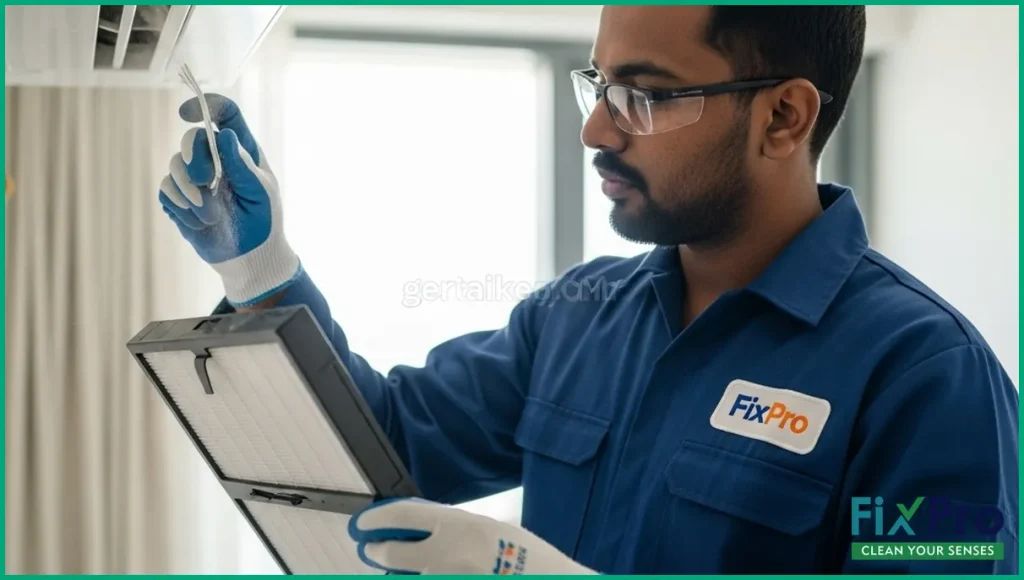
AC systems in the UAE run for most of the year, collecting dust and moisture. At year-end, check filters, clean ducts, and examine thermostats for accuracy. Listen for unusual noises, and make sure the condensate drains are clear to prevent leaks and mold.
- Replace or wash AC filters. Mark your calendar for the next change.
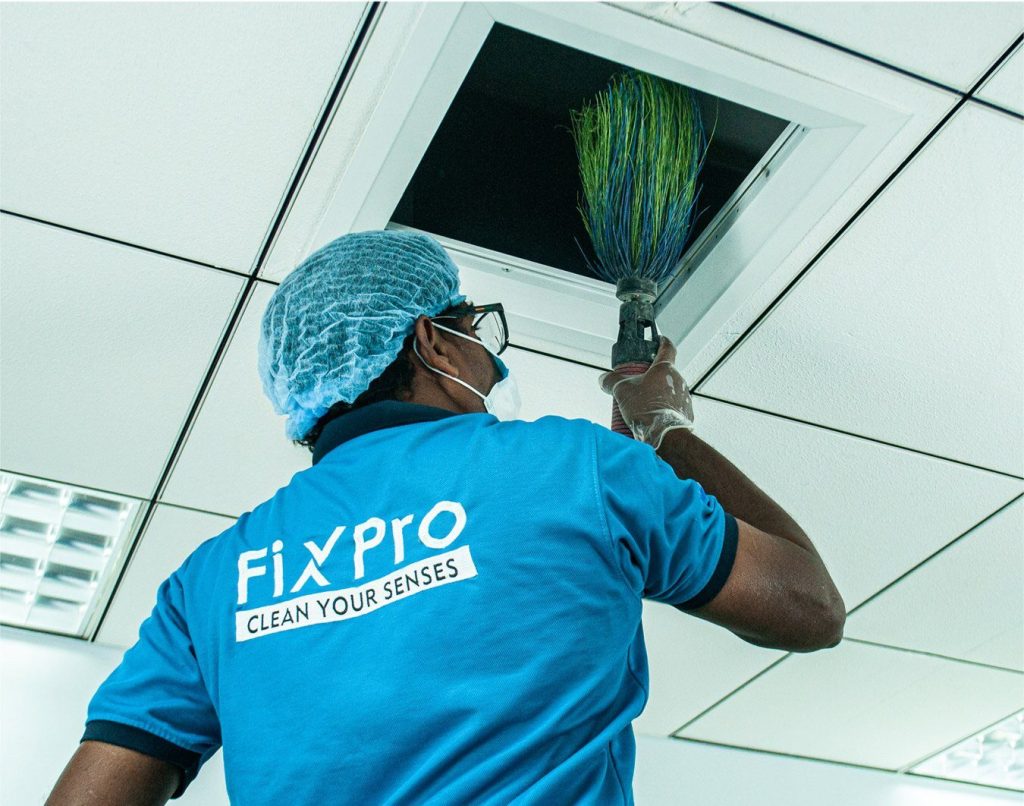
- Inspect and clean air ducts. Use a flashlight to spot dust buildup or mold.
- Check thermostat calibration. Set to a known temperature and verify with a separate thermometer.
- Clear condensate lines. Pour a cup of water through the drain to check for blockages.
- Listen for odd noises or vibrations. Rattling may signal loose panels or worn bearings.
- Check outdoor condenser units for sand or debris. Remove leaves, plastic, or accumulated dust from around the unit.
- Inspect insulation on refrigerant lines for damage or wear.
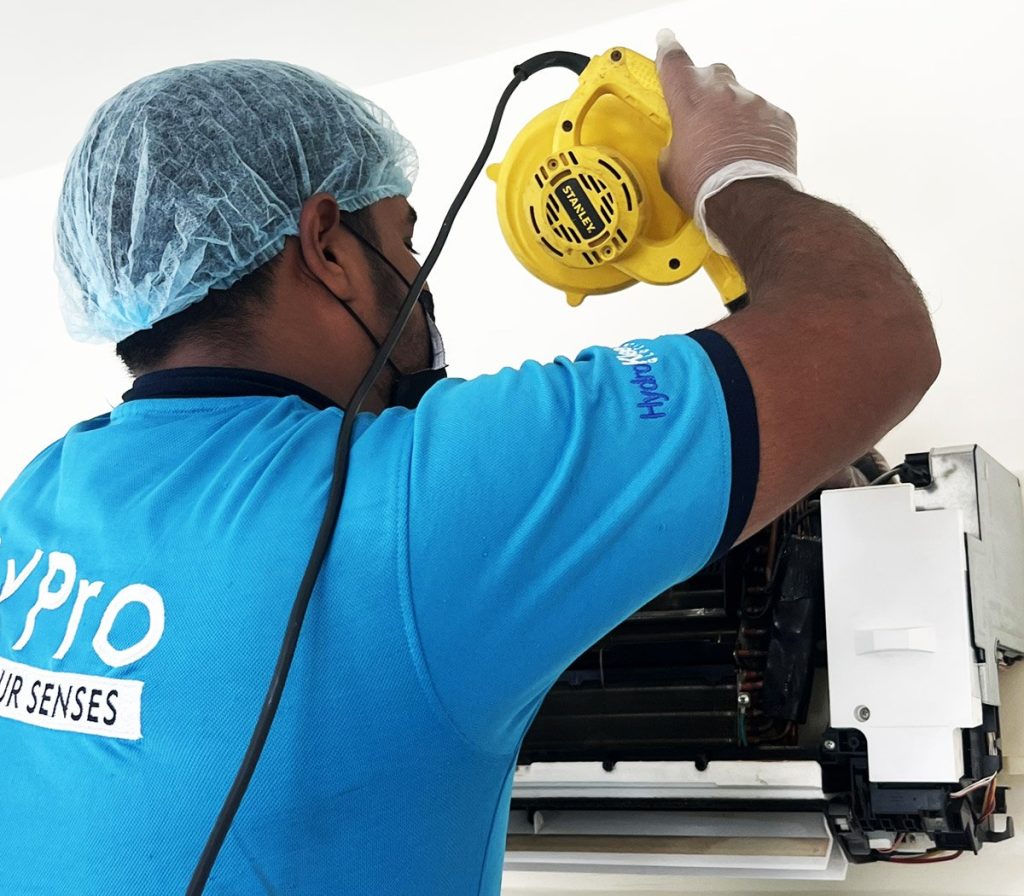
Professional AC maintenance can help catch issues early and extend your system’s lifespan. If you notice inconsistent cooling or higher energy bills, a technician can diagnose airflow or refrigerant problems.

2. Electrical Safety and Performance
Electrical faults can be dangerous and disruptive. Before the new year, inspect main panels for corrosion, tighten connections, and test safety devices. Check lighting, outlets, and backup systems, especially in older properties.

- Inspect main distribution boards for dust or corrosion. Wipe with a dry cloth and check for rust.
- Test circuit breakers and RCDs (if present). Press the test button to ensure they trip properly.
- Tighten loose connections. Use insulated tools and turn off power first.
- Check emergency lighting and backup power systems. Simulate a power cut to verify operation.
- Replace worn sockets or switches. Look for discoloration or loose fittings.
- Test all light fixtures for proper operation. Replace flickering bulbs or faulty ballasts.
- Label all circuits clearly in the panel for easier troubleshooting in the future.
If you notice frequent tripping or flickering, consider a full assessment by a provider offering MEP services. For DIY checks, always use insulated gloves and avoid working on live circuits.
3. Plumbing Checks: Leaks, Pressure, and Hygiene
Leaks and water pressure problems are common, especially in older UAE buildings. Year-end is a good time to check under sinks, around toilets, and at visible pipes for any signs of moisture or corrosion. Flush water heaters to remove sediment and test water pressure at several taps.

- Inspect all visible pipes and joints for leaks. Run your hand along pipes to feel for moisture.
- Test water pressure in bathrooms and kitchens. Low pressure may indicate a blockage or leak.
- Flush water heaters (if accessible). Turn off power, connect a hose, and drain until clear.
- Check for mold or water stains on walls and ceilings. Pay attention to areas near bathrooms and kitchens.
- Ensure floor drains are clear. Pour water to confirm proper drainage.
- Examine toilet tanks and bases for slow leaks or running water.
- Inspect outdoor taps and irrigation lines for leaks or cracks, especially after hot summer months.
Addressing minor leaks early can prevent major repairs and reduce water bills. If you find persistent dampness, consult a plumber to investigate hidden pipe issues.
Kitchen & Exhaust: Cleanliness and Fire Safety
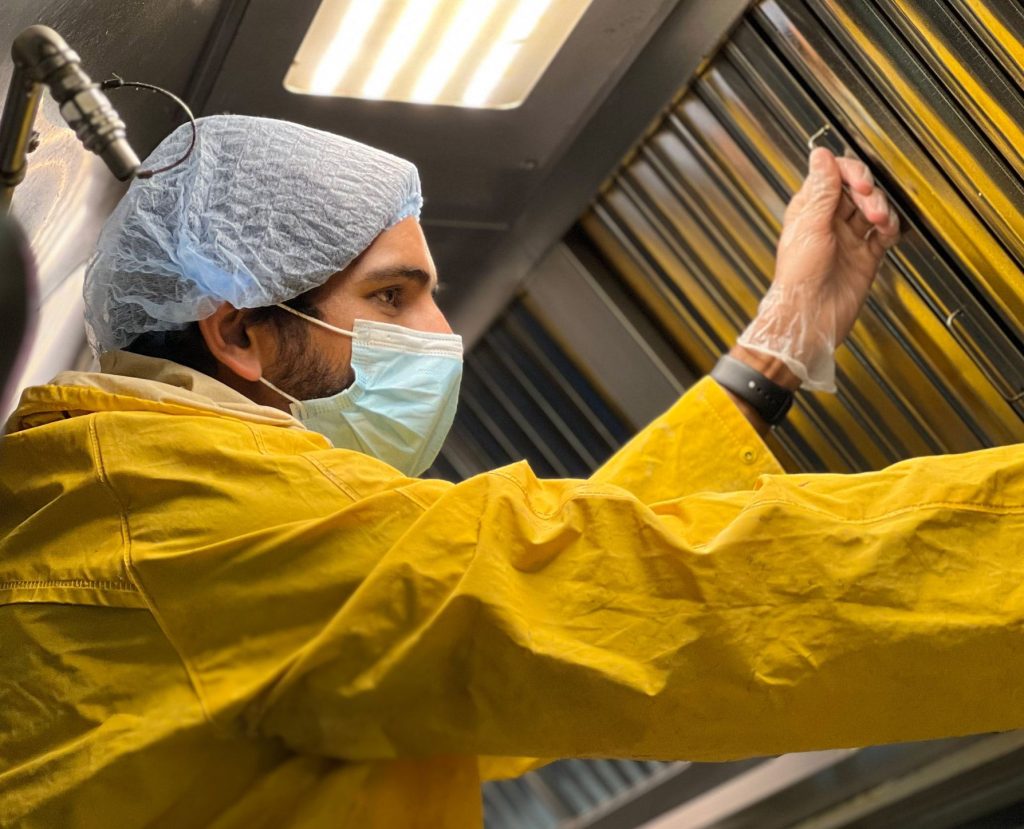
Kitchen exhaust systems accumulate grease quickly in busy homes and restaurants. A blocked or dirty hood is a fire hazard and reduces ventilation. At year-end, clean or replace filters, and check the exhaust fan for noise or vibration.

- Degrease hood filters and internal surfaces. Soak filters in hot, soapy water before scrubbing.
- Inspect exhaust fans for buildup or blockages. Remove any visible dust or grease from fan blades.
- Test fan operation and noise levels. Unusual sounds may signal worn bearings or loose mounts.
- Check for signs of heat damage or discoloration. Look for yellowed or warped surfaces near the hood.
- Clean the area around the hood and check for grease splatters on walls or ceilings.
- Ensure fire suppression systems (if installed) are serviced and operational.
For commercial kitchens, professional kitchen exhaust cleaning is commonly recommended at least once a year. In homes, a thorough clean at year-end helps maintain air quality and reduces lingering cooking odors.
Annual vs. Ongoing Maintenance: What’s Different?
Some tasks, like filter changes or visual checks, are quick and can be done monthly. Others, such as deep duct cleaning or electrical panel servicing, are best handled annually by trained professionals. The table below compares typical year-end versus ongoing tasks for UAE properties:
| Task | Year-End Focus | Ongoing Maintenance |
|---|---|---|
| AC Duct Cleaning | Deep clean and inspect for mold. | Change filters monthly or as needed. |
| Electrical Panel Check | Tighten connections, test breakers. | Visual check every 3–6 months. |
| Plumbing Leak Inspection | Test all visible joints and valves. | Monitor for drips or water stains. |
| Kitchen Hood Cleaning | Full degrease and fan check. | Wipe filters every 2–4 weeks. |
| Backup Power Test | Simulate outage, check battery/generator health. | Quick test monthly or after storms. |
| Water Heater Flush | Drain and descale tank. | Check for leaks or noises quarterly. |
Annual maintenance is generally more thorough and may involve disassembly, deep cleaning, or testing under load. Ongoing tasks are simpler and focus on early warning signs. Combining both helps maximize system reliability.
Information Nuggets: Practical Tips for UAE Properties
- Humidity in coastal UAE areas can cause hidden mold in AC ducts—sniff for musty odors during inspections.
- Water heaters in the UAE often build up sediment faster due to hard water; flushing yearly can improve efficiency.
- Power surges sometimes occur during sandstorms—test your surge protectors as part of electrical checks.
- Blocked kitchen exhausts can trigger false fire alarms, especially in commercial kitchens.
- Routine checks on backup power systems (like generators or UPS) can prevent outages during unexpected grid failures.
- Look for greenish stains on copper pipes—these can indicate slow leaks or condensation issues.
- Consider a formal AMC contract if you want predictable, scheduled MEP care.
- Test water quality at least once a year, especially if you notice changes in taste or odor from taps.
- Keep a simple logbook of all maintenance tasks and dates—this helps track recurring issues and plan future work.
FAQ
How often should I clean my AC ducts in the UAE?
Most UAE homes benefit from duct cleaning every 12–18 months. If you notice dust or musty odors, consider scheduling sooner. Humidity can speed up mold growth.
What’s the best way to check for hidden plumbing leaks?
Check under sinks and around toilets for moisture. Watch for green stains on pipes. Water meter readings can reveal slow leaks over time.
Do I need to service my kitchen exhaust if I rarely cook?
Even light cooking leads to grease buildup over time. Annual cleaning is usually enough for low-use kitchens. Grease can still create odors and fire risk.
How can I test if my electrical panel is safe?
Look for signs of heat or corrosion. Test circuit breakers and RCDs. If unsure, a qualified electrician should inspect the panel for hidden issues.
Should I flush my water heater myself?
Flushing is possible for DIYers, but sediment can be hot and messy. Many UAE residents hire pros for this yearly task to avoid burns or leaks.
Is an AMC contract worth it for small businesses?
For many small UAE businesses, an AMC contract provides predictable costs and scheduled checks. This helps avoid emergency repairs and downtime.
Methodology & Limitations
This guide draws on practical experience from property managers, building engineers, and UAE-based maintenance technicians. Recommendations are based on common issues seen in local homes and businesses. However, every property is different—specific needs may vary depending on system age, usage, and previous maintenance. For critical or complex issues, always consult a qualified professional.
Note that some tasks, such as electrical panel servicing or high-level duct cleaning, require specialized tools and safety precautions. Always prioritize safety and consider professional assistance for unfamiliar or high-risk procedures.
What’s Next?
Start your year-end MEP maintenance by making a checklist and walking through your property. If you need professional help, consider exploring MEP services for tailored support.
Set reminders for ongoing monthly or quarterly checks to stay ahead of issues. Regular attention now can help you enjoy a safer, more efficient property throughout the coming year.