Kitchen exhaust cleaning typically takes anywhere from 2 to 8 hours, depending on several key factors like system size, grease buildup, and accessibility. Knowing what influences the timing helps you plan better and avoid surprises during your next service.
Understanding Kitchen Exhaust Cleaning: The Basics
Kitchen exhaust cleaning is the process of removing grease, oil, and debris from the hood, filters, ductwork, and exhaust fan above your cooking area. This routine maintenance is essential for fire safety, air quality, and regulatory compliance in both commercial and residential kitchens.
- Reduces fire risk by removing flammable grease
- Improves ventilation and air quality
- Helps keep kitchen appliances running efficiently
- Required by many insurance policies and local authorities
- Prevents unpleasant odors from lingering in the kitchen and dining areas
- Minimizes pest attraction by removing food residue and grease deposits
For example, in a busy restaurant, regular exhaust cleaning can prevent the buildup of sticky grease on the walls and ceiling, which not only looks unsightly but also poses a serious fire hazard. In a home kitchen, keeping the exhaust system clean can help reduce smoke alarms being triggered during heavy cooking sessions.
Routine cleaning also extends the lifespan of your exhaust system. When fans and ducts are free of debris, they operate more smoothly and require fewer repairs over time.
How Long Does Kitchen Exhaust Cleaning Take? Key Factors
The time needed for a thorough kitchen exhaust cleaning depends on several variables. Below, we break down the key elements that impact the process and illustrate how each factor plays a role in the total duration.

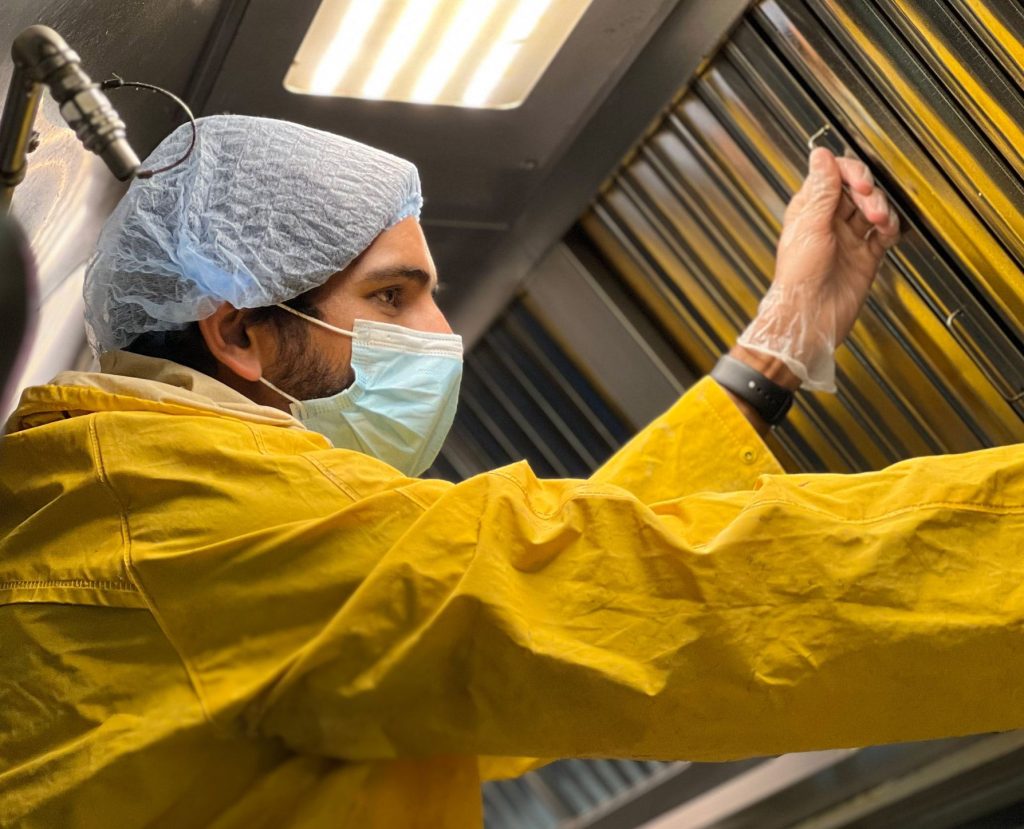
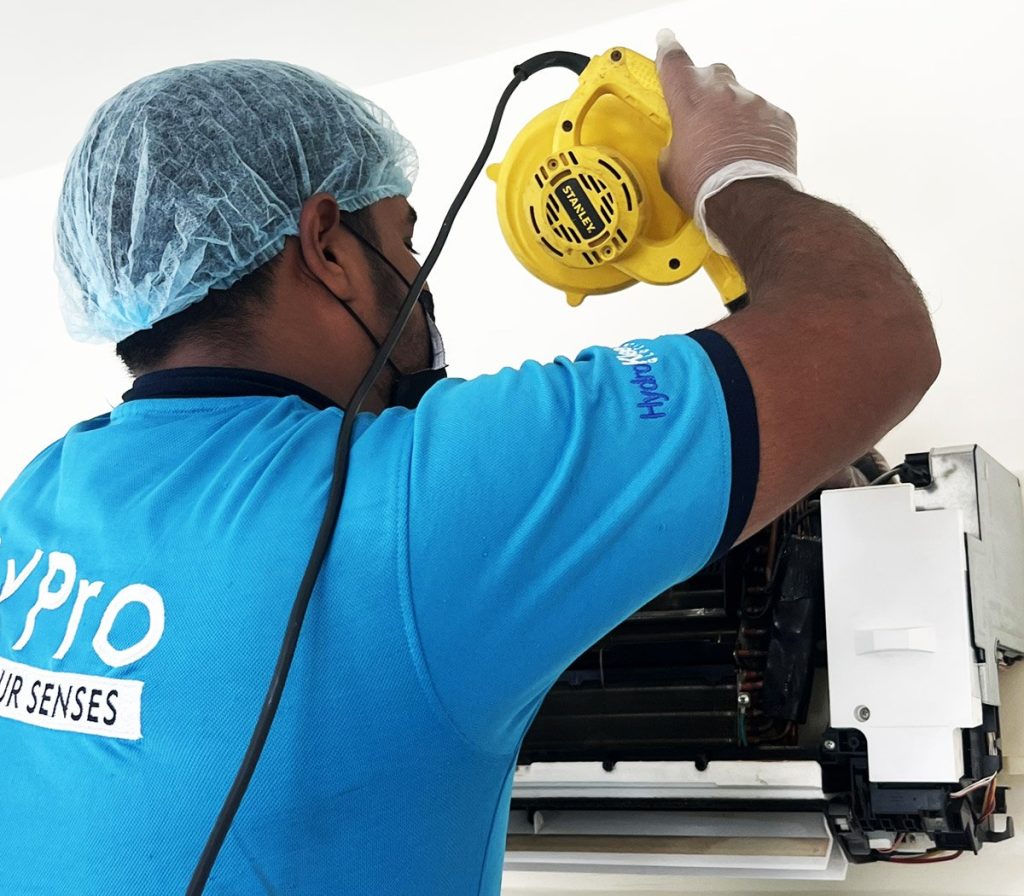
Understanding these factors can help you better estimate downtime, schedule cleaning during off-hours, and ensure your kitchen returns to full operation as quickly as possible.
1. Size and Complexity of the Exhaust System
Larger kitchens, especially in restaurants or hotels, have bigger and more intricate exhaust systems. A small residential hood may take 2–3 hours, while a multi-duct commercial setup can require 6–8 hours or more. Curved or lengthy ductwork adds extra time due to difficult-to-reach areas.
- Single-hood residential kitchens: Typically straightforward, with one exhaust fan and minimal ducting.
- Multi-hood commercial kitchens: May involve several hoods, interconnected ducts, and multiple fans, each requiring separate attention.
- Complex layouts: Kitchens with hoods over fryers, grills, and ovens in separate areas often need more time for setup and cleaning transitions.
For example, a hotel kitchen with three separate cooking lines will take longer than a small café with a single hood, even if both operate for similar hours each day.
2. Level of Grease Buildup and Last Cleaning Date
If the kitchen exhaust system hasn’t been cleaned in several months, expect more time for scraping and degreasing. Grease that has hardened or built up in layers can double the cleaning time compared to a regularly maintained system.
- Light buildup (recent cleaning): Quick wipe-downs and filter soaks are usually sufficient.
- Moderate buildup (3–6 months since last cleaning): Requires more scrubbing and possibly multiple passes with degreaser.
- Heavy buildup (over 6 months or visible thick grease): May need scraping tools, steam cleaning, and extra manpower.
For instance, a kitchen that only bakes bread will accumulate less grease than one that fries food daily. If you notice sticky residue on the hood or filters, it’s a sign that cleaning will take longer.
Technicians may also need to let degreasing agents soak for longer periods to break down stubborn layers, which adds to the overall time.
3. Accessibility and Number of Access Panels
Easy access to all parts of the ductwork speeds up the cleaning process. If technicians must install extra access panels or work around tight spaces, the job can take longer. High ceilings or hard-to-reach fans add to the challenge.
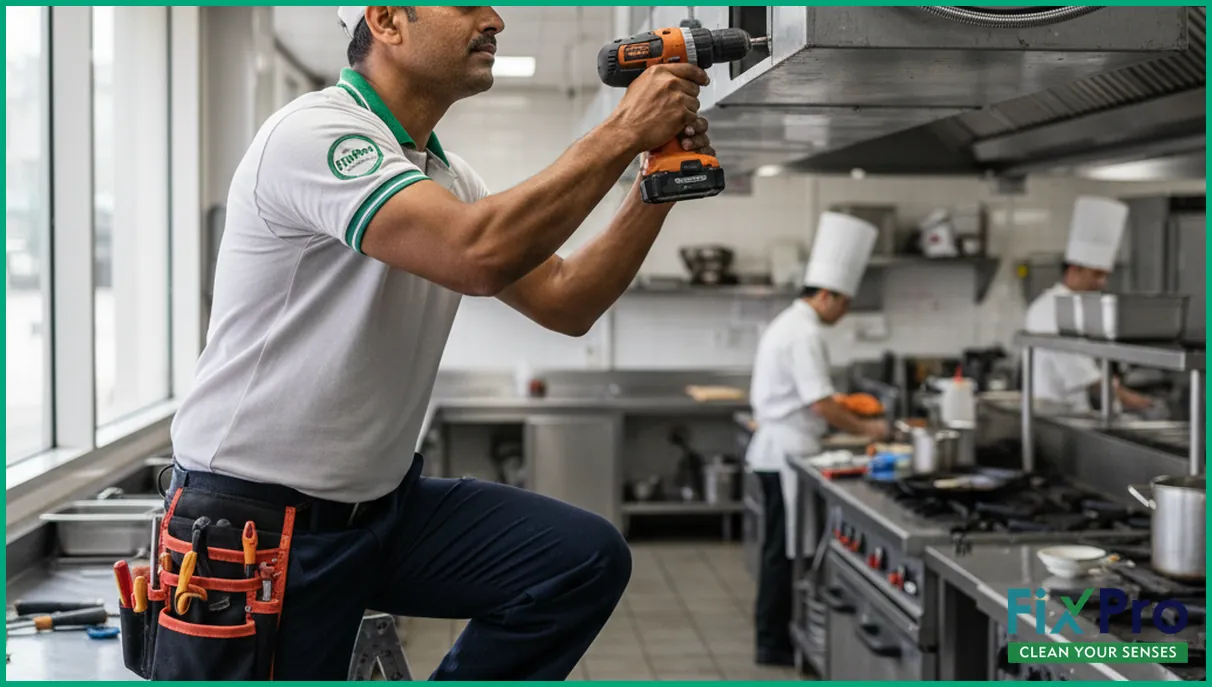
- Systems with pre-installed access panels: Allow for faster cleaning and inspection of internal duct surfaces.
- Obstructed or hidden ductwork: May require moving equipment or furniture, increasing setup and breakdown time.
- High-mounted fans or rooftop exhausts: Often need ladders, scaffolding, or safety harnesses, adding complexity and time.
- Ceiling tiles or walls covering ductwork: May need temporary removal, which further extends the process.
For example, a restaurant with an exhaust duct running above a walk-in freezer may require extra setup to safely reach and clean those sections.
4. Type of Food Prepared and Kitchen Usage
Kitchens that fry or grill foods create more grease, leading to quicker buildup. A fast-food restaurant may need longer, more frequent cleanings than a bakery. Heavy daily use means more time is needed for a deep clean.
- Fried foods (e.g., chicken, fries): Generate heavy, sticky grease deposits.
- Grilled meats: Produce smoke and oily residue that coats ducts and fans.
- Bakeries or salad bars: Typically see lighter buildup and quicker cleaning sessions.
- 24/7 operations: Minimal downtime can require cleaning teams to work in shifts or during late-night hours, sometimes extending the total duration.
For instance, a shawarma shop operating from morning to midnight will likely have thicker grease deposits than a café open only for breakfast and lunch. Kitchens with rotating menus that include both baking and frying may also experience varying levels of buildup in different areas.
5. Condition and Age of Equipment
Older exhaust systems may have worn parts, rust, or outdated designs that slow down the cleaning process. Sometimes, technicians must work more carefully to avoid damaging fragile components, which can add to the total time required.

- Rusty or corroded ducts: Need gentle cleaning to prevent further damage.
- Outdated fan designs: May require disassembly for proper access and cleaning.
- Loose or rattling parts: Must be secured before cleaning to ensure technician safety.
- Systems with missing or broken filters: May need temporary replacements or extra steps to clean thoroughly.
For example, a 15-year-old exhaust fan with visible rust may take an extra hour for careful disassembly and inspection, compared to a newer, well-maintained unit.
Technicians may also recommend minor repairs or upgrades during cleaning, which can be scheduled for a later date to avoid further delays.
Typical Cleaning Durations: Quick Comparison
Here’s a table summarizing typical kitchen exhaust cleaning times based on system size and condition. Actual times may vary depending on your exact setup.
| System Type | Grease Level | Estimated Time |
|---|---|---|
| Small residential hood | Light | 2–3 hours |
| Medium commercial kitchen | Moderate | 3–5 hours |
| Large restaurant or hotel | Heavy | 6–8+ hours |
| Older system, hard access | Heavy | 8+ hours |
For example, if your restaurant has two large hoods with moderate grease, expect the process to fall in the 5–7 hour range, especially if cleaning is scheduled after peak hours. If your system is older and has not been serviced in a year, plan for a full day to ensure every component is addressed.
Some cleaning companies offer after-hours or overnight services to minimize disruption. Always confirm estimated times with your provider based on your kitchen’s unique needs.
What Happens During a Professional Kitchen Exhaust Cleaning?
A professional crew, such as those from FixPro, follows a step-by-step process to ensure thorough cleaning. The process typically includes:
- Inspection of the entire exhaust system
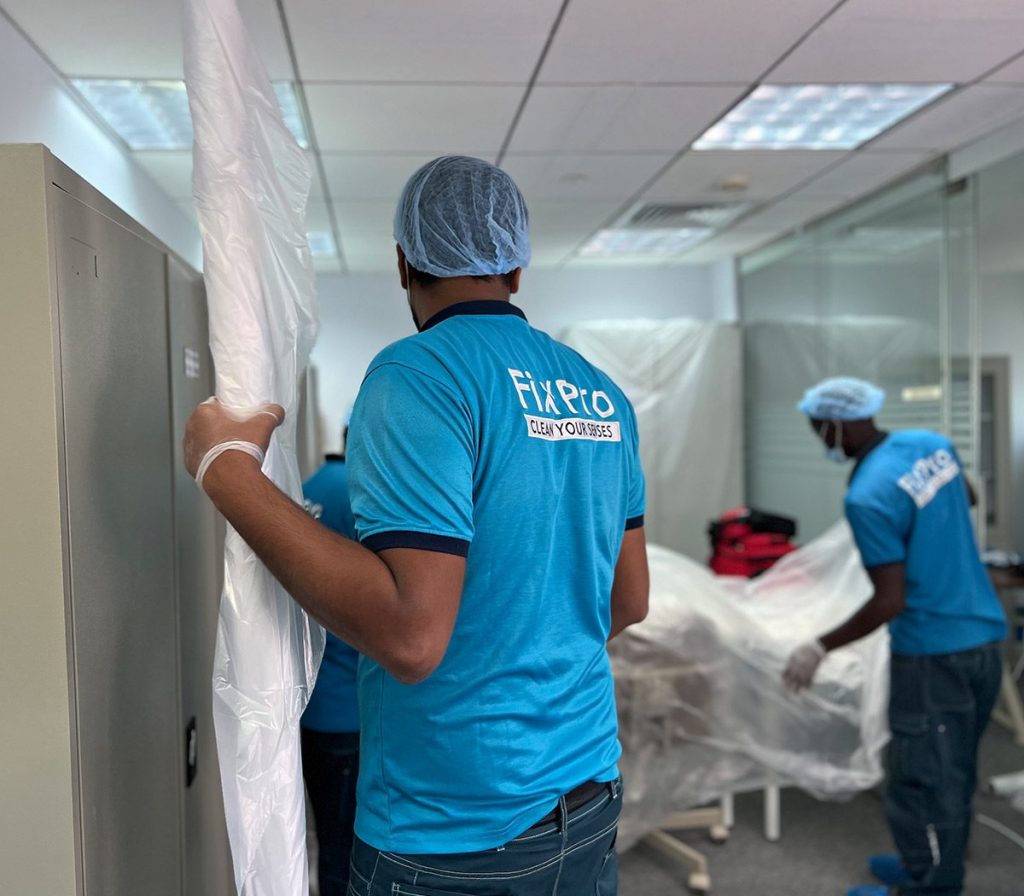
- Covering kitchen equipment to prevent mess
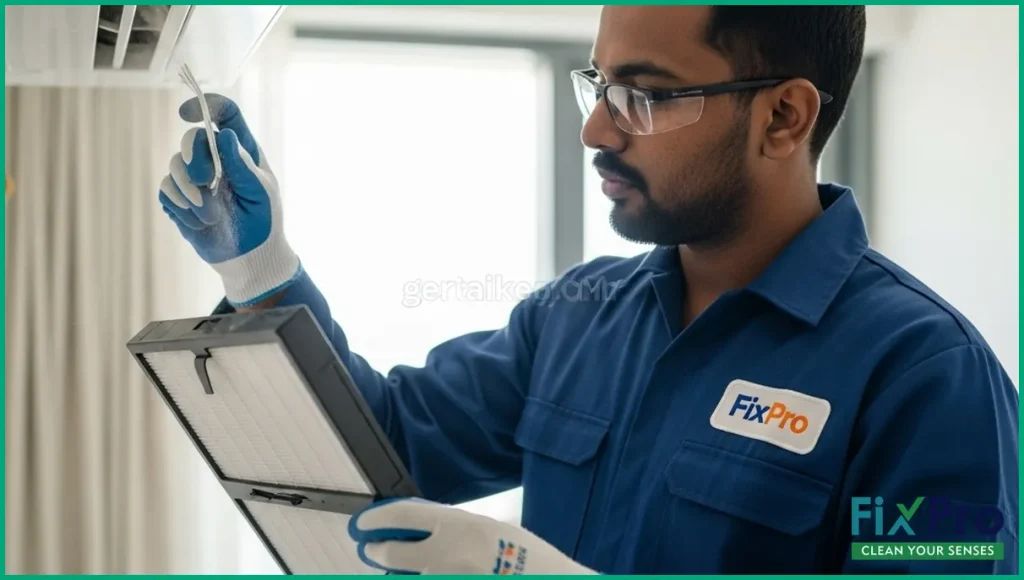
- Removing and soaking filters
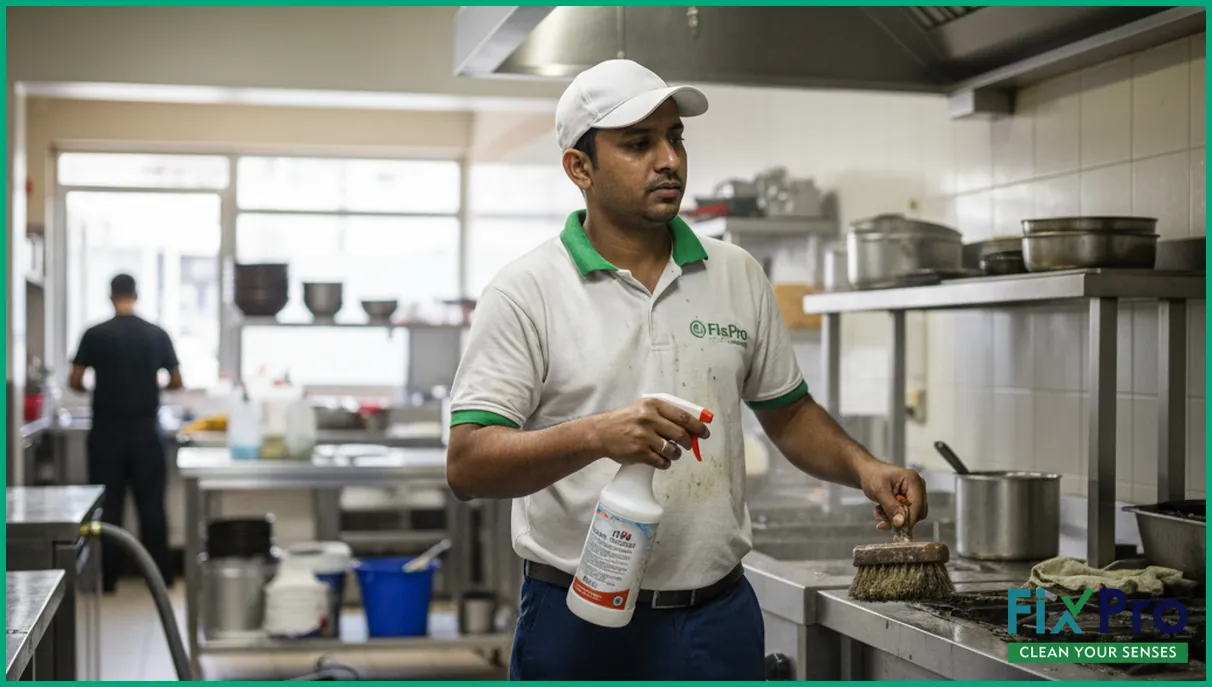
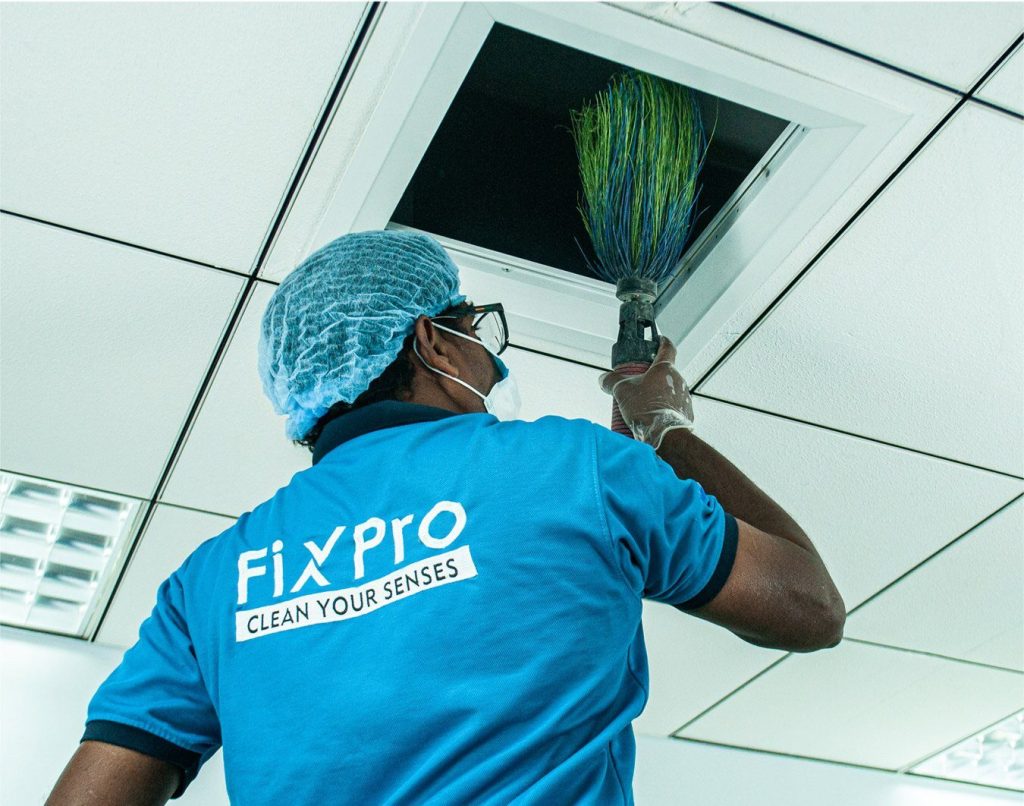
- Scraping and degreasing hoods, ducts, and fans
- Using specialized tools and degreasers
- Final inspection and clean-up
- Documenting the cleaning with before-and-after photos for compliance
- Providing a service report or certificate for insurance and regulatory purposes

For example, the crew may start by taping plastic sheeting around the cooking area to catch drips and debris. Filters are removed and placed in a soaking tank with heated degreaser. While those soak, technicians scrape grease from the hood interior and duct entry points, using brushes and scrapers for stubborn spots.
After degreasing, the team rinses all surfaces with hot water and wipes down the surrounding area. A final inspection ensures no grease remains, and all equipment is reassembled. The kitchen is left clean and ready for use, often with a written report summarizing the work done.
How to Prepare for Kitchen Exhaust Cleaning
Preparing your kitchen before the cleaning crew arrives can save time and ensure a smoother process. Here are some practical steps:
- Clear the area around the exhaust hood and ductwork
- Turn off cooking appliances before technicians arrive
- Inform staff about the cleaning schedule
- Provide access to water and electricity if needed
- Check if any recent repairs or modifications were made
- Remove or cover food items and utensils near the cleaning zone
- Ensure pets or non-essential personnel are kept out of the kitchen during cleaning
These steps help technicians start work promptly and minimize disruption to your kitchen operations.
For example, in a restaurant, you might schedule the cleaning after closing and have staff move portable equipment away from the hood area. In a home, simply clearing the stove and countertops can make a big difference. If your kitchen has restricted access, arrange for a keyholder to be present or provide access codes in advance.
It’s also a good idea to review any recent maintenance or repairs with the cleaning team, so they are aware of sensitive areas or new components that may need special attention.
Related Services That May Affect Timing
Sometimes, additional maintenance tasks are performed alongside kitchen exhaust cleaning. Services like duct cleaning Abu Dhabi or HVAC maintenance can add to the total time if scheduled together. It’s helpful to coordinate these services to minimize downtime in busy kitchens.
- Combining kitchen exhaust and full HVAC cleaning: May require an extra 2–4 hours, depending on system size.
- Fire suppression system inspections: Sometimes done at the same time, adding 30–60 minutes.
- Filter replacement or fan repairs: Can extend the visit, especially if parts need sourcing.
- Grease trap cleaning: Often paired with exhaust cleaning for a complete kitchen maintenance session.
For example, scheduling both duct cleaning and exhaust cleaning on the same day can save you a second shutdown, but expect a longer service window. If your kitchen is due for multiple maintenance tasks, ask your provider for a bundled service and a detailed timeline.
FAQ
How often should I schedule kitchen exhaust cleaning?
Most kitchens benefit from professional cleaning every 3–6 months. High-use kitchens may need it more often. Regular cleaning helps prevent grease fires.
Can kitchen operations continue during cleaning?
Usually, the kitchen must pause cooking during cleaning. This ensures technician safety and proper cleaning of all components, including filters and ducts.
What signs indicate my exhaust needs cleaning?
Common signs include visible grease buildup, reduced airflow, and strong odors. If you notice smoke lingering, it’s time to schedule a cleaning.
Do I need to prepare anything before the crew arrives?
Yes, clear the area around the exhaust and turn off appliances. This helps the cleaning team start quickly and protects your equipment.
Is kitchen exhaust cleaning messy?
Professional teams use covers and clean up after themselves. There may be some noise and brief odors, but a reputable crew leaves the kitchen tidy.
Does exhaust cleaning include ductwork?
Yes, a full service covers hoods, filters, fans, and ducts. Some companies also offer kitchen hood cleaning as part of the package.
Methodology & Limitations
This article is based on common industry practices, firsthand experience with UAE kitchens, and information from maintenance professionals. Estimates are general guidelines, as actual cleaning times can vary depending on unique site factors and local regulations. For specific requirements, consult a qualified kitchen exhaust cleaning provider.
- Information was gathered from UAE-based cleaning companies and regulatory guidelines.
- Time estimates assume standard working conditions and average grease buildup.
- Unique kitchen layouts, emergency repairs, or unexpected issues may affect actual timing.
- Always verify compliance needs with local authorities before scheduling service.
For example, some municipalities require photographic documentation of cleaned ducts, which can add extra steps. If your kitchen operates in a hospital, hotel, or school, additional safety protocols may also extend the process.
Next Steps
If you’re planning a kitchen exhaust cleaning, start by assessing your system’s size and grease buildup. For more details or to request a professional assessment, consider reaching out to a trusted provider. You can also learn more about kitchen exhaust cleaning Abu Dhabi to understand your options.
- Take photos of your current exhaust system for an initial remote assessment.
- List any recent issues, such as unusual noises or airflow problems, to discuss with your provider.
- Ask about maintenance packages or discounts for combining multiple services.
By preparing in advance, you can ensure a smoother, faster cleaning experience and keep your kitchen running safely and efficiently.