This guide draws on practical experience, industry best practices, and common knowledge from UAE facility maintenance professionals. It avoids unverifiable claims, focusing on tips and checklists that most homeowners and businesses can apply directly to their AC systems.
Whether you’re managing a villa, apartment, or commercial space, the unique environmental challenges in the UAE require a proactive approach to AC care. This article provides actionable steps and examples, helping you get the most out of your air conditioning investment.
Year-end AC cleaning and maintenance keeps your home or business cool, efficient, and healthy. Here’s a practical checklist for UAE residents and business owners to prepare their air conditioning for another demanding year.
Even if your AC seems to be running well, a thorough check at year-end can reveal hidden issues and ensure optimal performance during the next heatwave. Regular attention now can save you from inconvenient breakdowns and costly repairs later.
Why Year-End AC Maintenance Is Crucial in the UAE
The UAE’s climate puts air conditioning systems under constant stress. High temperatures, dust, and humidity can cause wear and tear faster than in many other regions. Year-end maintenance is your chance to catch small issues before they become expensive breakdowns, especially after a long, hot summer.
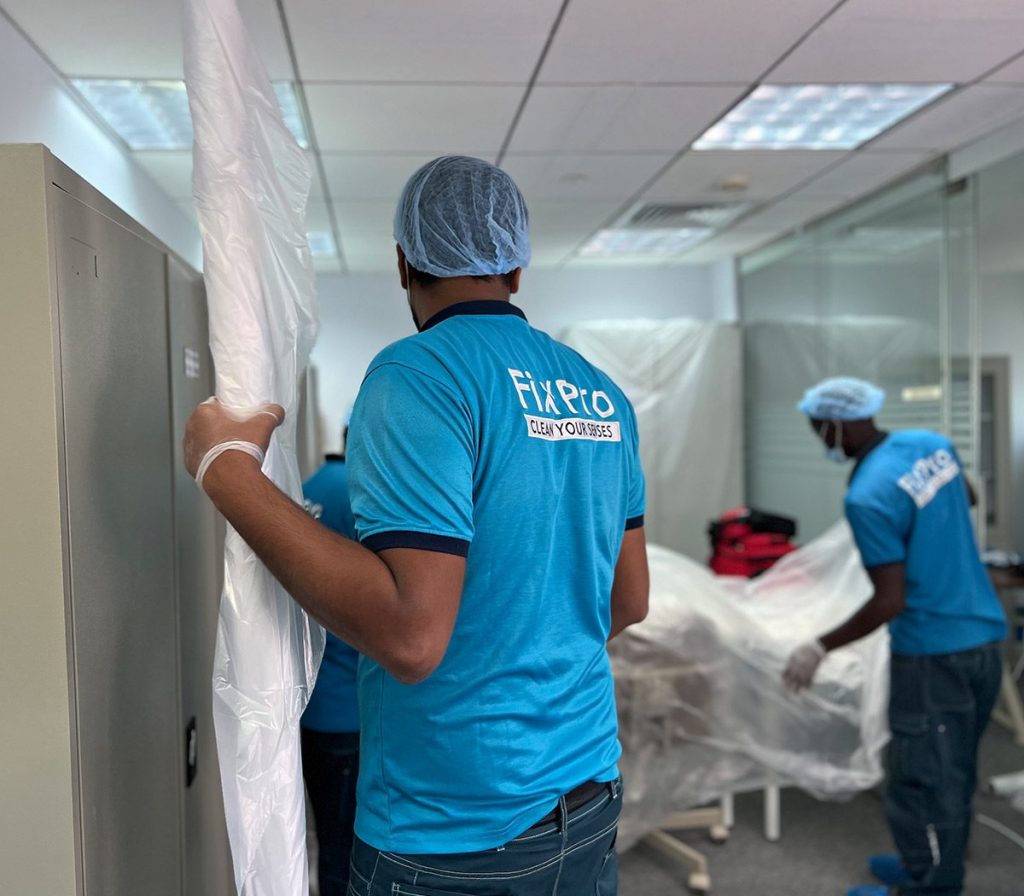


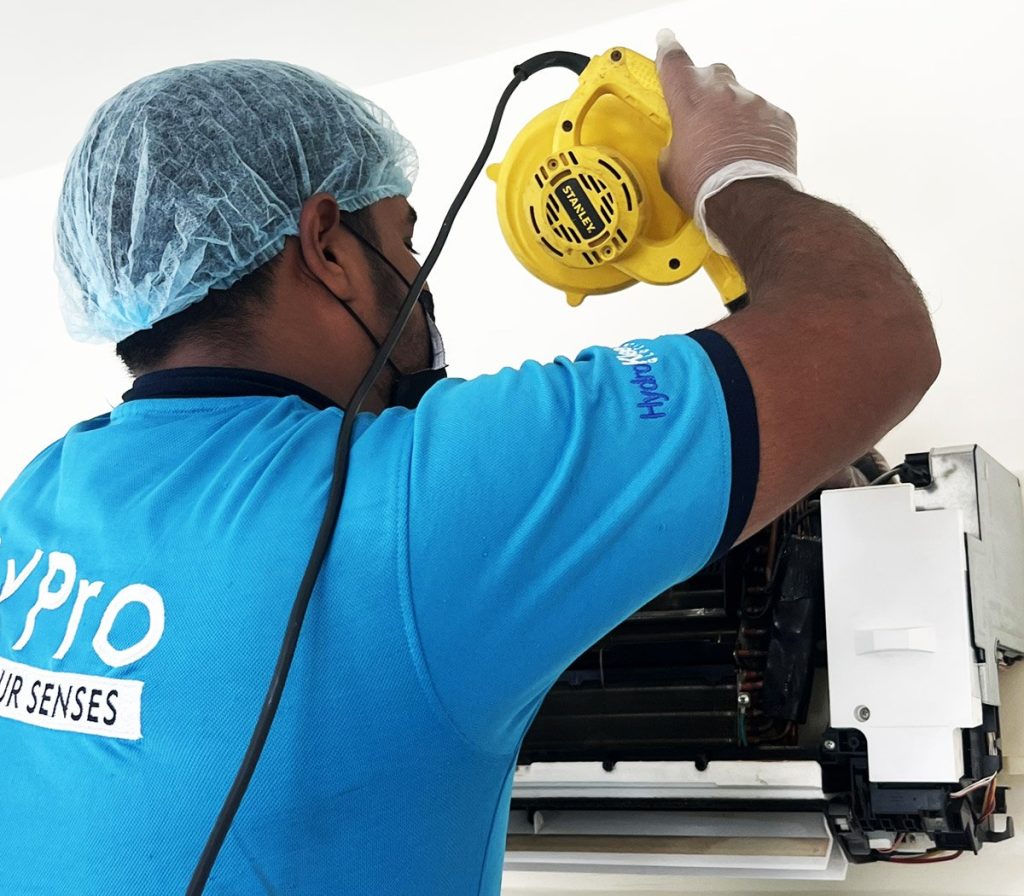
- Reduces risk of system failure during peak heat
- Improves indoor air quality by removing dust and allergens
- Extends the life of your AC unit
- Lowers electricity bills by keeping the system efficient
- Prevents mold growth caused by humidity and condensation
- Ensures warranty compliance for many manufacturers
For example, a neglected AC unit in Dubai’s summer can accumulate enough dust to reduce cooling efficiency by up to 20%. By addressing maintenance at year-end, you minimize the risk of sudden failures during the next season’s peak demand.
Quick-Check Signs Your AC Needs Attention
- Weak airflow or rooms not cooling evenly
- Unusual noises, rattling, or buzzing from the unit
- Musty or burning smells when the AC runs
- Visible dust buildup on vents or filters
- Water leaks or condensation around the unit
- Frequent cycling on and off, or the unit struggles to reach set temperature
- Unexpected increase in electricity bills compared to previous months
If you notice any of these signs, address them before the year ends. Early action often prevents bigger problems.
For instance, if you find water pooling near your indoor unit, it could signal a clogged drain line—a simple fix if caught early, but one that could cause water damage if ignored.
The Year-End AC Cleaning & Maintenance Checklist
Step 1: Power Down and Inspect
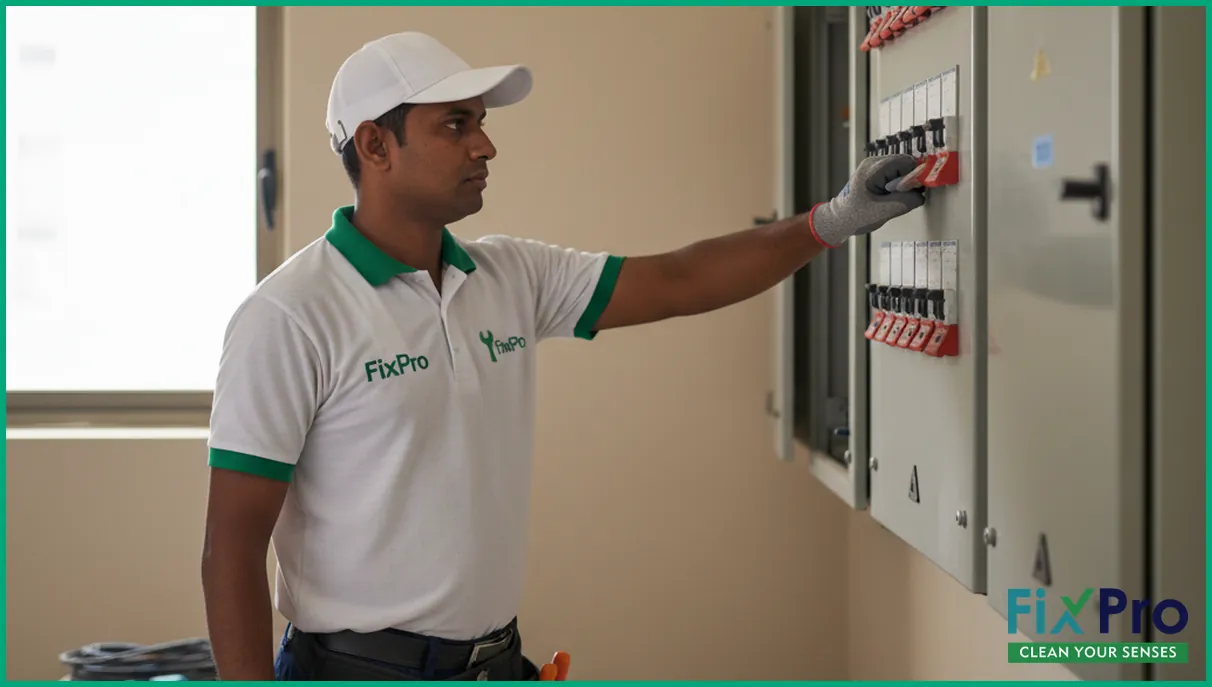
Always switch off the AC at the main breaker before starting any cleaning or inspection. This keeps you safe and prevents accidental damage.
Example: In a typical UAE apartment, locate the circuit breaker labeled for the AC unit and switch it off. Wait a minute to ensure all power is discharged before proceeding.
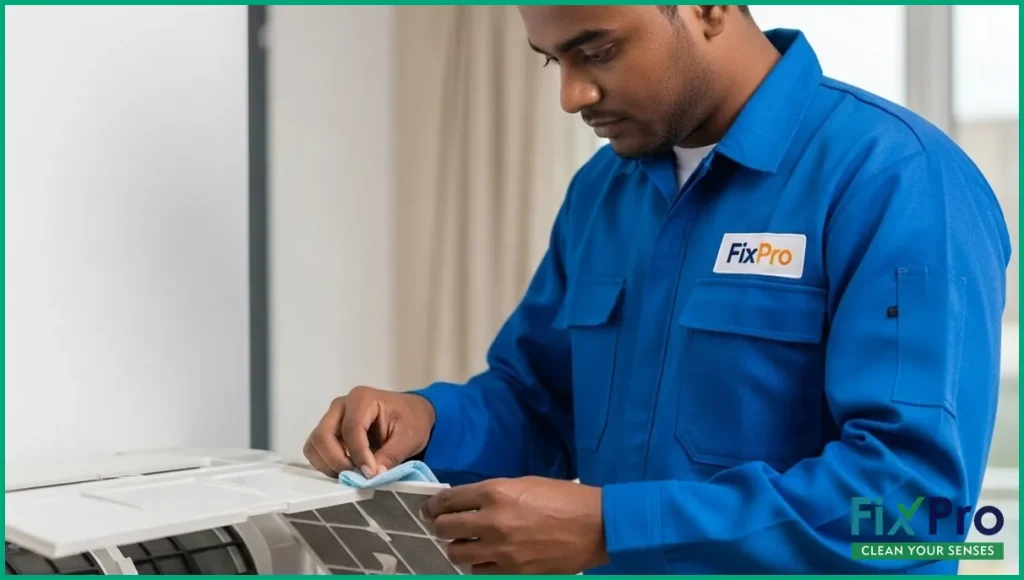
Step 2: Clean or Replace Air Filters
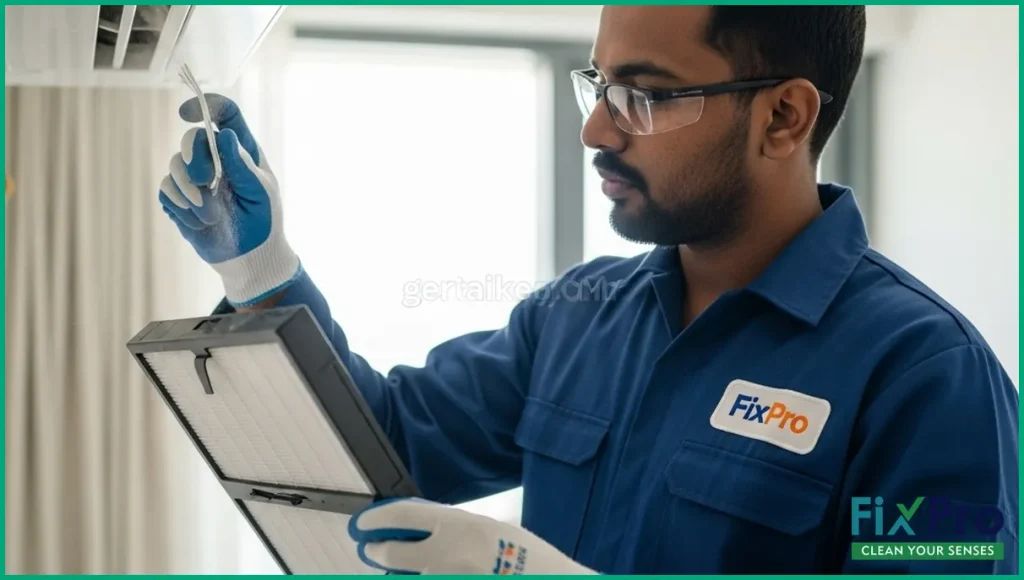
Dirty filters block airflow and force your system to work harder. In most UAE homes, filters should be checked monthly and replaced or washed at least every three months. At year-end, deep clean or replace them regardless of their appearance.
- Remove the filter cover and slide out the filter.
- Vacuum or rinse washable filters with water; allow to dry fully before reinstalling.
- For disposable filters, replace with the correct size and rating.
- Write the replacement date on the filter frame for easy tracking.
Example: In a villa with multiple split units, assign each family member a room and check all filters together—this makes the process quick and ensures nothing is missed.
Step 3: Clean Supply and Return Vents
Dust and debris collect on vents throughout the year, especially in dusty environments. Use a vacuum with a brush attachment, or gently wipe with a damp cloth. Ensure vents are not blocked by furniture or curtains.
- Remove vent covers if possible to clean both sides.
- For stubborn grime, soak covers in mild soapy water, rinse, and dry thoroughly.
- Check for signs of mold or dark stains and photograph for reference if you need to call a technician.
In offices, assign cleaning of vents to the maintenance team as part of a monthly routine, especially in high-traffic areas.
Step 4: Inspect and Clean the Outdoor Unit
Outdoor condensers collect sand, leaves, and debris. Gently clear away obstructions and use a hose to rinse the fins (with the power off). Be careful not to bend the fins.
- Trim back plants or shrubs at least 60 cm from the unit for proper airflow.
- Use a soft brush to remove sand from the top and sides before rinsing.
- Check for nests or insects inside the casing and remove carefully.

Example: In Sharjah, rooftop condensers often accumulate wind-blown sand. A monthly rinse can prevent overheating and extend unit life.
Step 5: Check for Leaks and Blockages
Inspect the drain line for clogs and check for signs of water leakage around both indoor and outdoor units. A blocked drain can quickly lead to water damage or mold.
- Pour a cup of water down the drain pan to see if it flows freely outside.
- If water backs up, use a wet/dry vacuum to clear the drain line from the outside end.
- Look for wet spots or discoloration on walls and ceilings near indoor units.
Example: If you notice water stains under your indoor unit, act immediately to avoid mold growth and costly repairs.
Step 6: Deep Clean the Evaporator Coil
The evaporator coil is prone to dust and microbial buildup. While homeowners can gently dust accessible coils, a professional service is recommended for thorough cleaning, especially if you notice reduced cooling or persistent odors.
- Access the coil by removing the front panel (refer to your manual).
- Use a soft brush or coil cleaner spray for light dust; avoid harsh chemicals.
- Do not bend the delicate fins; call a technician for heavy buildup or mold.
Example: In high-humidity areas like Abu Dhabi, coils may develop biofilm. Annual professional cleaning helps prevent health issues and maintains efficiency.
Step 7: Test the Thermostat and Controls
Set the thermostat a few degrees below room temperature and observe if the AC responds quickly. If it doesn’t, the thermostat or control board may need attention.
- Check that the display is clear and responsive.
- Replace batteries in wall-mounted thermostats annually.
- Test all modes (cool, fan, auto) to ensure proper function.
Example: In an office, schedule a quick thermostat check at the end of each month to catch issues before staff notice discomfort.
Step 8: Inspect Electrical Connections
Loose or corroded electrical connections can cause intermittent failures or even pose a fire risk. If you’re not comfortable checking these yourself, call a qualified technician.
- Look for frayed wires, scorch marks, or loose terminal screws.
- Check that all covers and panels are securely fastened after inspection.
- Never attempt repairs if you notice burning smells or visible sparking—call a professional immediately.

Example: In a commercial building, schedule quarterly electrical inspections as part of your safety protocol to minimize downtime.
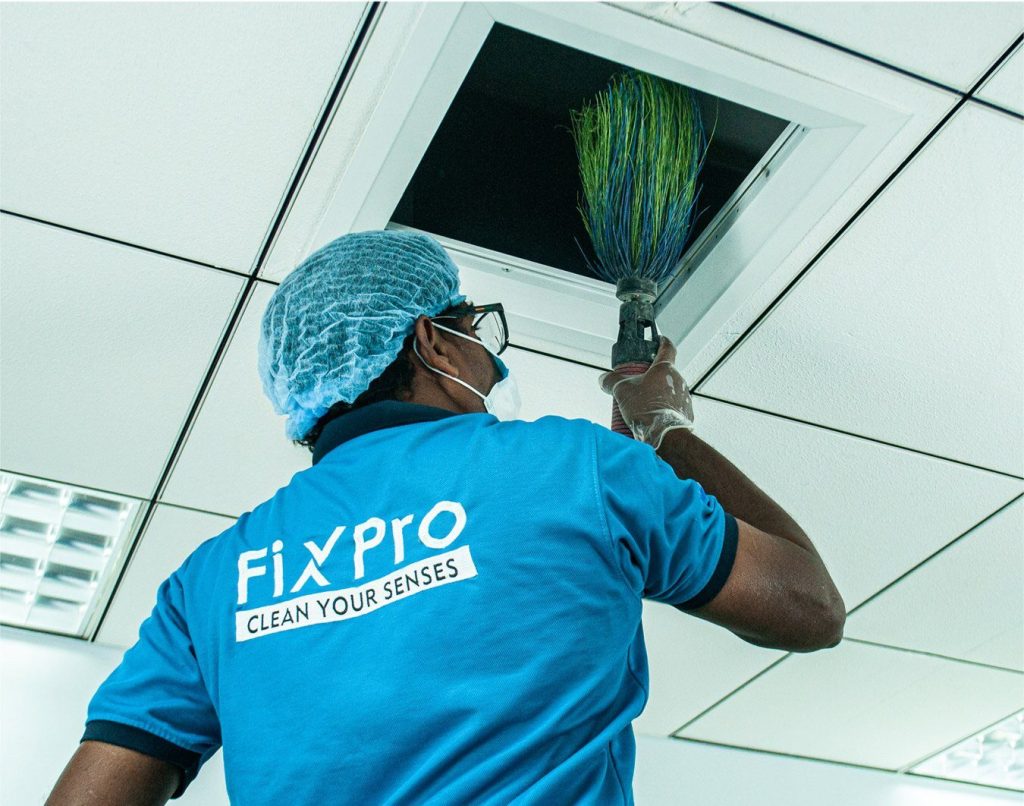
Step 9: Schedule Professional Duct Cleaning (If Needed)
If your vents emit dust or you notice persistent odors, your ducts may need professional attention. Regular AC duct cleaning can improve air quality and efficiency.
- Request before-and-after photos from your service provider for peace of mind.
- Consider duct cleaning after renovation projects or if you notice allergy symptoms increasing indoors.
Example: After painting or construction, schedule a duct cleaning to remove residual dust and odors.
Step 10: Book a Full System Tune-Up
Even with regular DIY care, a qualified technician should inspect your system annually. They can check refrigerant levels, lubricate moving parts, and calibrate the system for optimal performance. Consider a routine AC maintenance visit before the new year.
- Ask for a written report detailing all checks and recommendations.
- Request calibration of thermostats and sensors for precise temperature control.
- Ensure the technician checks for early signs of compressor or fan motor wear.
Example: Many property managers in Dubai schedule annual tune-ups in December to avoid the spring rush and ensure uninterrupted cooling.
Comparison Table: DIY vs Professional AC Maintenance
| Task | DIY | Professional |
|---|---|---|
| Filter Cleaning/Replacement | Easy, monthly or quarterly | Checked and replaced as needed |
| Vent Dusting | Simple, regular | Thorough, includes duct interiors |
| Outdoor Unit Cleaning | Safe if careful | Detailed, includes coil cleaning |
| Electrical Inspection | Limited, basic checks | Comprehensive, safe, repairs |
| System Calibration | Not possible | Full calibration and testing |
| Drain Line Clearing | Possible with simple tools | Advanced cleaning, checks for mold and blockages |
| Refrigerant Level Check | Not possible | Accurate measurement and topping up if needed |
| Warranty Compliance | May not meet requirements | Documented service for warranty validity |
For example, while you can easily clean filters and vents yourself, tasks like refrigerant checks or deep duct cleaning should always be left to professionals. Annual reports from a certified technician may also be required to maintain your AC’s warranty.
Smart Maintenance Tips for UAE Homes and Businesses
- Keep windows and doors closed when AC is running to prevent dust ingress.
- Use door sweeps and window seals to reduce dust and sand entry.
- Install a programmable thermostat to reduce energy use when spaces are unoccupied.
- Consider a regular annual maintenance contract for peace of mind and scheduled service reminders.
- Keep a maintenance log with dates and details of all service and filter changes.
- Place mats at entrances to catch sand and dust before it enters living spaces.
- Regularly check and clean ceiling fans to prevent dust from circulating when used with AC.
- Set reminders on your phone or calendar for monthly filter checks.
Example: In a busy Dubai office, assign a staff member to check the AC filter status at the start of each month, and keep a shared digital log for easy tracking.
For families, involve children in simple AC care tasks, such as dusting vents or checking for blocked airflow, to build good maintenance habits.
Common AC Problems in UAE and How to Address Them
- Low cooling: May be due to dirty filters, blocked vents, or low refrigerant. Check filters and vents first.
- Leaking water: Often a clogged drain line. Clear the line or call a technician if unsure.
- Unusual noises: Could be loose panels, fan issues, or worn bearings. Tighten panels; call for help if noise persists.
- Bad smells: Mold in ducts or stagnant water in the drain pan. Clean accessible areas and consider professional duct cleaning.
- Unit not starting: Check the breaker and thermostat batteries. If still not working, seek professional help.
- Frequent tripping of circuit breaker: May indicate electrical faults or overloaded circuits. Avoid resetting repeatedly—have a technician inspect the system.
- Hot spots in rooms: Could be due to blocked vents, poor duct design, or failing fan motors. Check for obstructions and consult a professional for persistent issues.

Example: If your AC emits a burning smell, switch it off immediately and call a technician—this could signal an electrical fault or overheating motor.
For persistent hot or cold spots, try adjusting vent direction or using fans to improve air circulation. If the problem continues, a duct inspection may be necessary.
When to Call a Professional
Some AC maintenance tasks are straightforward, but others—like deep coil cleaning, electrical repairs, and refrigerant checks—require specialist knowledge. If you’re unsure, it’s safer to call a qualified technician. Professional help is essential for persistent problems, system calibration, and annual deep cleaning.
- Persistent low cooling or uneven temperatures
- Repeated tripping of breakers or fuses
- Visible mold or strong odors from vents
- Water leaks that do not resolve after clearing drains
- Noisy or vibrating outdoor units
- Units that are over five years old and have not been professionally serviced in the last 12 months
- Any signs of electrical burning or smoke
Many UAE property managers rely on trusted providers like FixPro for annual servicing, especially for larger homes or commercial spaces.
Example: If your AC fails to cool after a filter change and vent cleaning, a professional can test refrigerant pressures and diagnose hidden faults that DIY steps cannot address.
FAQ
How often should I clean or replace my AC filters in the UAE?
In the UAE, filters typically need attention every month due to dust. Regular filter checks are a simple step to keep your AC efficient.
What are the signs my AC ducts need cleaning?
Persistent dust, musty smells, or visible buildup on vents suggest it’s time for duct cleaning. Professional duct cleaning services can address these issues.
Can I clean the outdoor AC unit myself?
You can gently remove debris and rinse the condenser fins, but avoid bending them. For deep cleaning, a technician is recommended.
Is annual professional AC maintenance necessary?
Yes, a yearly check helps catch problems early. Many UAE homes rely on an annual maintenance contract for regular service.
What should I do if my AC smells bad?
Bad smells often mean mold or stagnant water. Clean accessible parts and consider professional help if odors persist, especially after cleaning.
Why is my AC making loud noises?
Loud noises may indicate loose parts or fan issues. Tighten panels if possible, but call a technician if the problem continues.
Methodology & Limitations
This checklist is based on common industry practices, input from UAE-based AC technicians, and homeowner experiences. It does not cover every possible system type or rare technical faults. For complex or hazardous tasks, always consult a licensed professional. Recommendations are intended as general guidance, not a substitute for manufacturer instructions or detailed technical manuals.
While every effort has been made to address the most common AC issues in the UAE, unique systems or older units may require specialized attention. Always refer to your specific unit’s user manual and seek expert advice for unfamiliar problems.
Next Steps: Keep Your AC Ready for the UAE Climate
Start your year-end AC cleaning and maintenance with the checklist above. If you need expert help, consider scheduling a professional service or exploring an annual maintenance contract to keep your system in top shape.
Proactive care not only ensures comfort but also protects your investment and health. Make AC maintenance a routine part of your year-end preparations, and enjoy reliable cooling throughout the year.