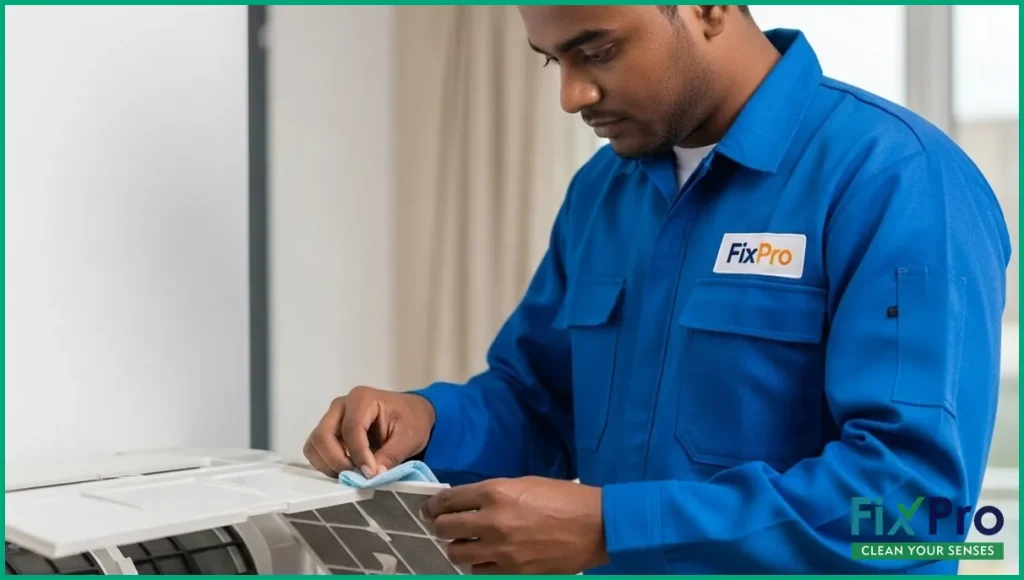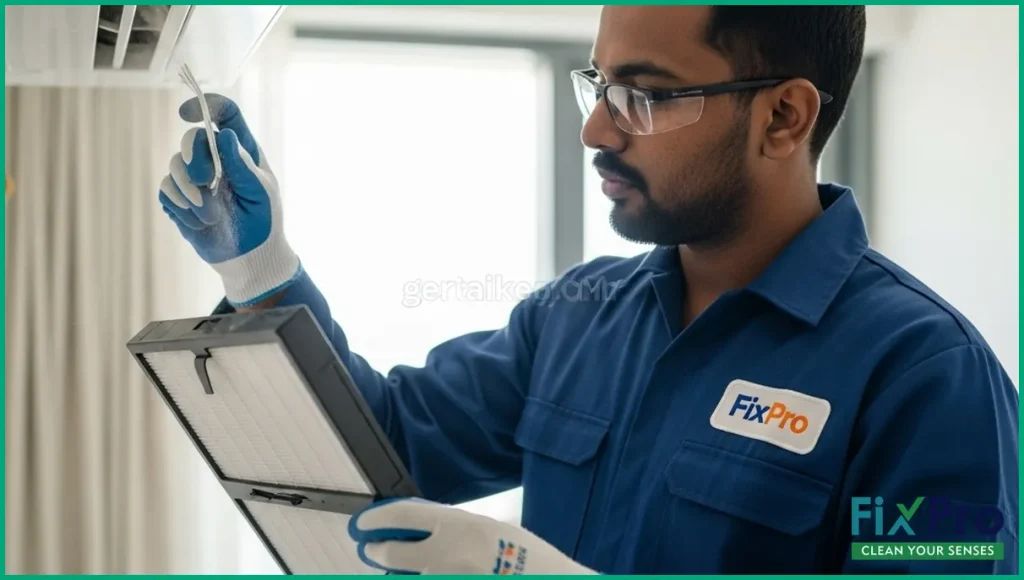
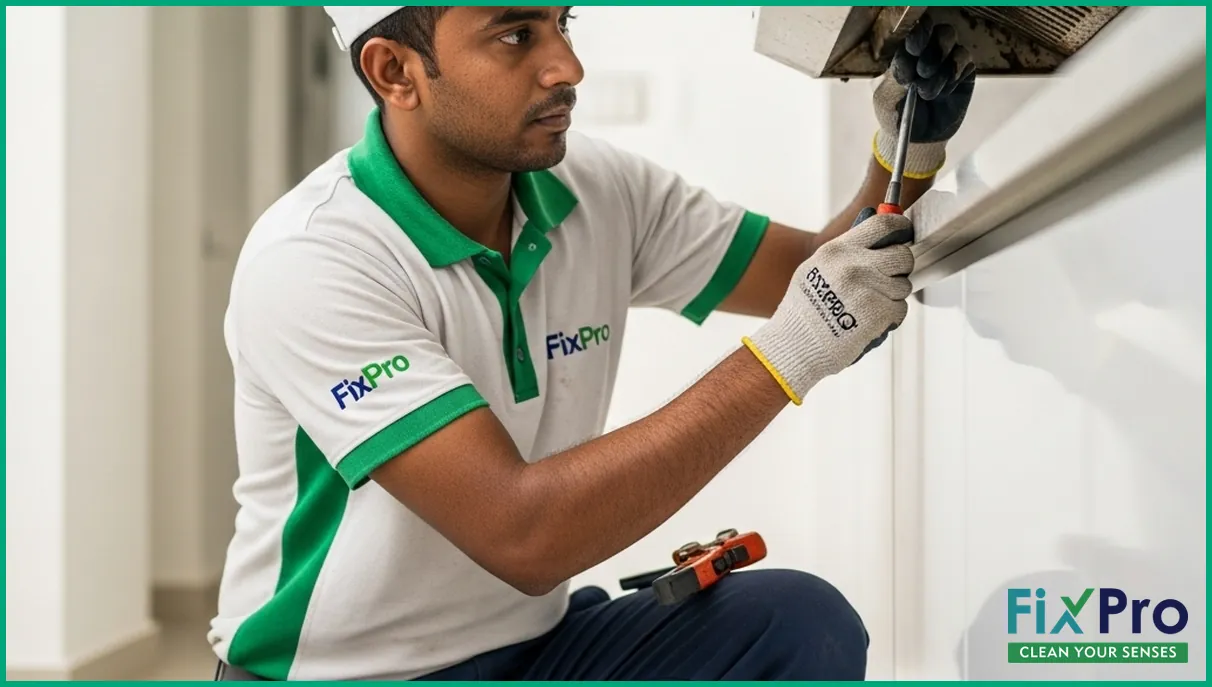
Before you hire a kitchen exhaust cleaning technician in Abu Dhabi, check their experience, methods, and safety practices. This ensures your kitchen stays safe, compliant, and clean—without any surprises or wasted money. A little research up front can prevent costly mistakes and help you find a service provider who truly understands your needs.
Why Kitchen Exhaust Cleaning Demands Careful Selection
Kitchen exhaust systems in Abu Dhabi work hard, especially in the UAE’s hot, dusty climate. Grease and dust build up quickly, creating fire risks and reducing air quality. Choosing the right technician isn’t just about a quick clean—it’s about protecting your home or business from hazards and keeping your kitchen running smoothly. Even small lapses in cleaning can lead to persistent smells, increased energy bills, and health code violations.
- Grease buildup can catch fire if not removed regularly.
- Poor cleaning leaves behind odours and reduces ventilation efficiency.
- Professional cleaning helps maintain compliance with local safety guidelines.
- Regular service extends the lifespan of your exhaust system, saving on costly replacements.
- Thorough cleaning reduces pest attraction by eliminating food residue in hidden ductwork.
Key Checks Before You Hire a Technician
1. Relevant Experience in Abu Dhabi Kitchens
Not all kitchens are the same. A technician who has worked in Abu Dhabi understands local building layouts, common duct types, and the challenges posed by the climate. Ask for examples of similar work, especially if your kitchen is part of a restaurant or large villa. For instance, a technician who has cleaned exhausts in high-rise apartments or busy shawarma shops will have valuable, relevant experience.
2. Cleaning Methods and Equipment
Ask what tools and products the technician uses. For example, do they use food-safe degreasers? Is the cleaning process mainly manual, or do they use specialised machines? A reputable provider will explain their process clearly and adapt it to your kitchen’s needs. For a typical cleaning, you might expect a step-by-step process: covering nearby surfaces, removing and soaking filters, scrubbing ducts, and finally wiping down all accessible parts.
- Manual scrubbing for stubborn grease in hard-to-reach areas.
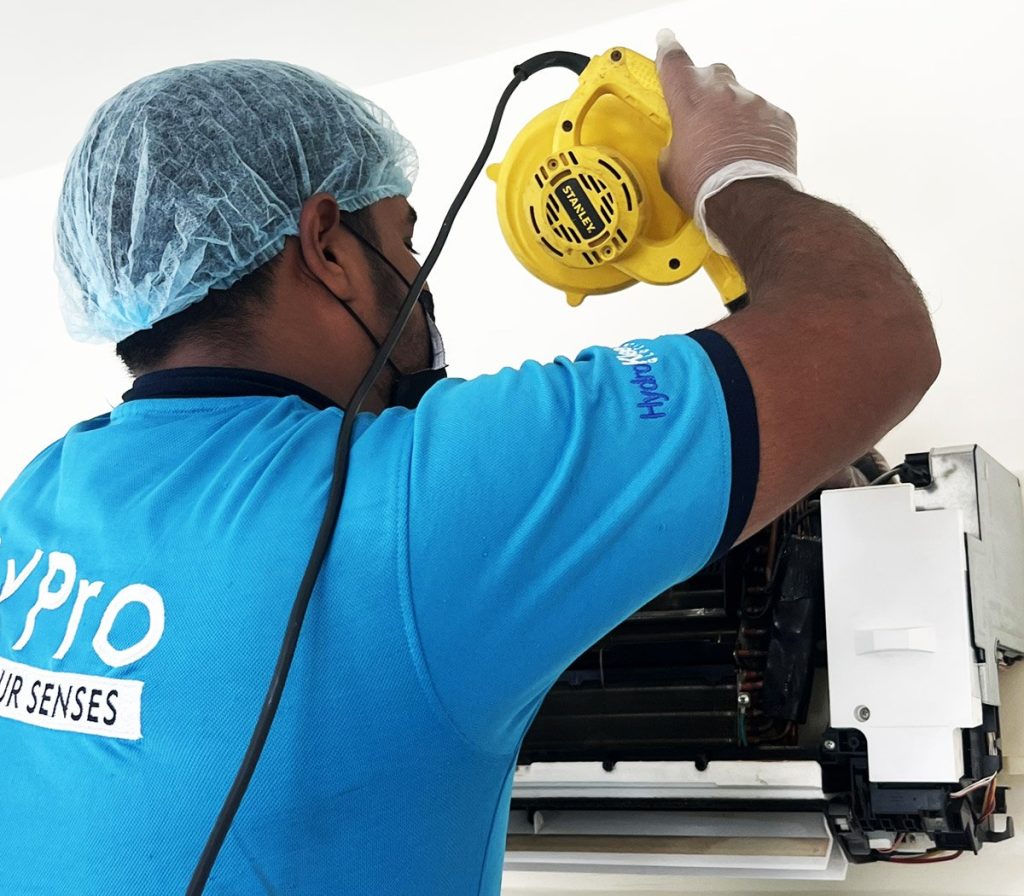
- Vacuum machines for dust and loose debris.
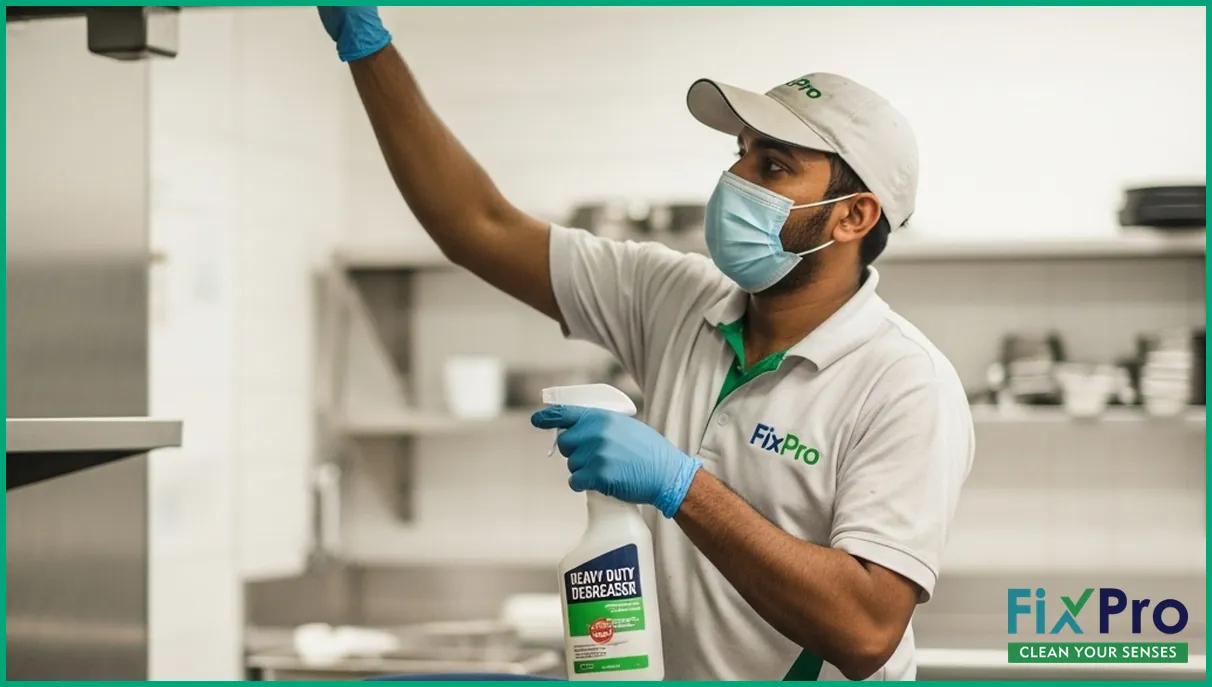
- Appropriate chemical degreasers that won’t damage your ductwork.
- Use of hot water or steam cleaning for deep sanitisation where possible.
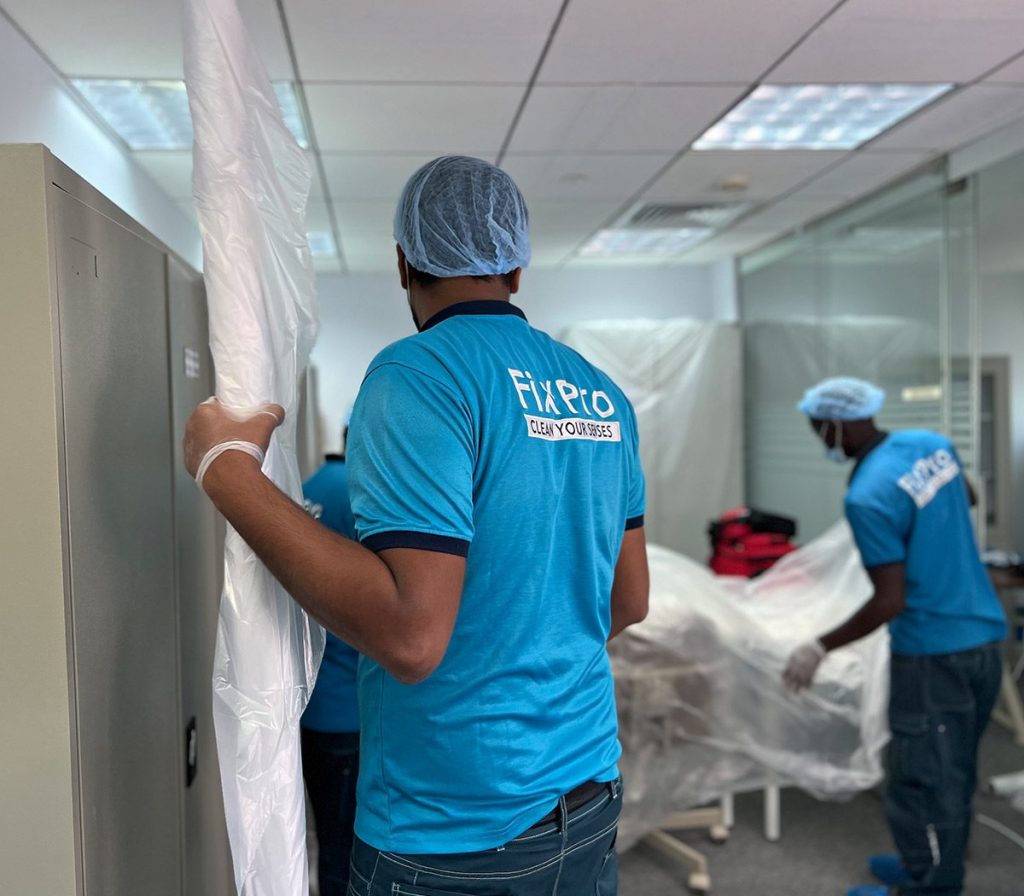
- Protective coverings for kitchen appliances and counters during the cleaning process.
3. Insurance and Safety Practices
Accidents can happen, even with experienced technicians. Ask if the company carries liability insurance. Check that their staff use the correct safety gear, such as gloves, masks, and protective eyewear. This protects both you and the technician if something goes wrong. For example, a technician should always disconnect electrical power before working on fans or hoods to prevent shocks.
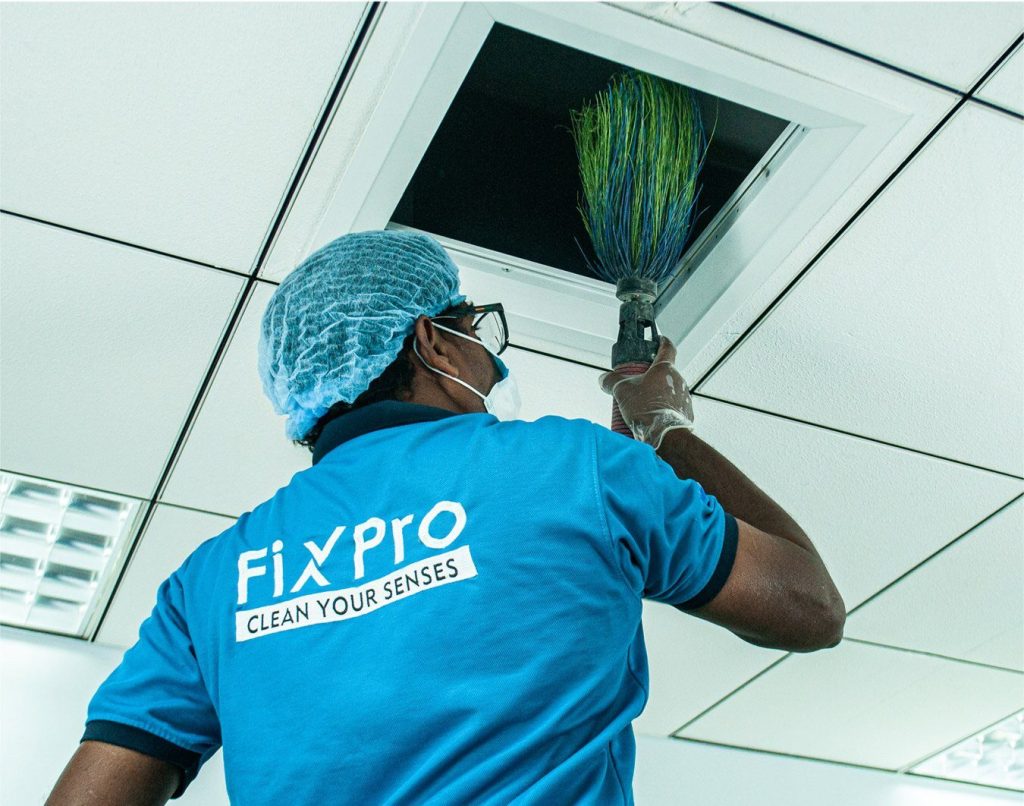


- Look for technicians who perform a safety check before starting work.
- Ask if they follow a checklist for each cleaning visit.
4. Transparency in Pricing and Service Scope
Get a clear, written quote before work begins. Ask for a breakdown: does the service include cleaning the hood, filters, ducts, and fans? Are there extra charges for hard-to-reach sections? Transparent pricing helps you compare services and prevents surprises on your bill. For example, some companies may charge a flat rate for standard kitchens but add fees for multi-level ductwork or rooftop fans.
| Service Item | Typically Included? | Notes |
|---|---|---|
| Hood Cleaning | Yes | Most services cover this as standard. |
| Filter Removal & Wash | Yes | Check if filters are replaced if damaged. |
| Duct Interior Cleaning | Sometimes | May cost extra for long or complex ducts. |
| Fan & Motor Cleaning | Sometimes | Ask specifically about fan blades and motors. |
| Before/After Photos | No | Some companies offer this on request. |
| Disposal of Waste | No | Clarify if grease and debris removal is included. |
5. References and Reviews
Check for reviews on local platforms, or ask the technician for references from previous Abu Dhabi customers. Look for comments about punctuality, cleanliness, and results—these details often reflect real service quality better than marketing claims. For example, a positive review might mention that the technician left the kitchen spotless and provided clear before-and-after photos.
- Look for reviews mentioning timely arrival and clear communication.
- Ask if the company has repeat clients, especially in the restaurant sector.
How Kitchen Exhaust Cleaning Differs from Other Maintenance
Kitchen exhaust cleaning is not the same as general HVAC maintenance or duct cleaning Abu Dhabi. It targets grease and food residue, not just dust or allergens. The risks—such as fire and odour—are also different. For instance, a kitchen exhaust system may need degreasing agents and manual scraping, while AC ducts usually require vacuuming and brushing.
- Kitchen exhaust cleaning focuses on grease, which requires special solvents and methods.
- AC duct cleaning targets dust and allergens with vacuums and brushes.
- Both services improve air quality, but their techniques and risks differ.
- Exhaust cleaning often involves dismantling parts for access; AC duct cleaning is usually less invasive.
- Neglecting kitchen exhausts can lead to fire, while neglected AC ducts mainly cause poor air quality.
When to Schedule Kitchen Exhaust Cleaning
Most Abu Dhabi kitchens benefit from cleaning every 3–6 months, depending on cooking frequency and volume. For restaurants or commercial kitchens, more frequent service may be needed. If you notice strong odours, visible grease, or poor airflow, it’s time to call a technician. After events like Ramadan, Eid, or large family gatherings, scheduling a post-event cleaning can prevent long-term buildup.
- Heavy use (e.g., commercial kitchens): every 1–3 months.
- Home kitchens: every 3–6 months is typical.
- After renovations or major events: schedule a check-up.
- Noticeable drop in exhaust fan performance: book a cleaning promptly.
- Visible grease stains or smoke marks around the hood: don’t delay service.

Red Flags: When to Be Cautious
- Technicians unwilling to explain their process or answer questions.
- No written quote or unclear pricing.
- Lack of basic safety gear during inspection or work.
- Only generic references, or no references at all.
- Promises of “instant” results without inspection.
- Reluctance to provide proof of insurance or business license.
- Technicians who rush the inspection or skip checking the full exhaust system.
If you notice any of these warning signs, consider looking for another provider. Reliable companies like kitchen exhaust cleaning Abu Dhabi specialists will always be transparent and responsive. Trustworthy technicians will patiently walk you through their process and provide documentation on request.
FAQ
How often should I clean my kitchen exhaust in Abu Dhabi?
Most homes need cleaning every 3–6 months. Restaurants may require more frequent service. Grease buildup increases fire risk, so regular checks are important for safety.
Can I clean the kitchen exhaust myself?
Light filter cleaning is possible, but thorough duct and fan cleaning requires special tools. Professional technicians use degreasers and vacuums for deep cleaning and safety.
What should I ask a technician before hiring?
Ask about their experience, insurance, cleaning methods, and pricing. Request references from Abu Dhabi customers. A good technician will answer clearly and provide details.
How long does a typical kitchen exhaust cleaning take?
Most jobs take 2–4 hours, depending on kitchen size and grease buildup. Technicians may need extra time for large restaurants or hard-to-reach ducts.
Is kitchen exhaust cleaning different from AC duct cleaning?
Yes, exhaust cleaning targets grease and fire risks, while AC cleaning focuses on dust and allergens. Each needs unique tools and approaches.
Methodology & Limitations
This guide is based on common practices among kitchen exhaust cleaning technicians in Abu Dhabi, customer experiences, and industry recommendations. Sources include service provider interviews, maintenance guides, and real-world observations. Specific requirements and standards may vary; always confirm details directly with your chosen technician. For the most up-to-date regulations, consult Abu Dhabi municipality guidelines or your building management.
What’s Next?
Ready to protect your kitchen and improve air quality? Start by requesting quotes from experienced Abu Dhabi technicians. For more on related services, explore MEP services Abu Dhabi to keep your entire property in top shape. Remember, a well-maintained kitchen exhaust system is an investment in safety, comfort, and peace of mind.