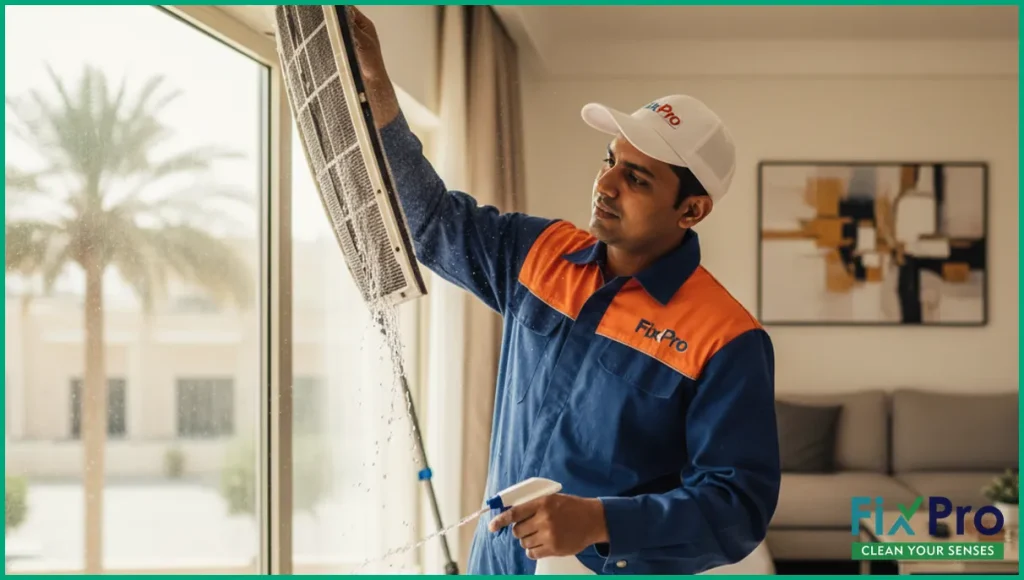

This guide is based on common issues seen in UAE kitchens, practical facility-management habits, and typical advice from hygiene and fire-safety professionals. It does not replace local regulations or inspections, but it should help you ask better questions, compare options, and decide whether an annual contract fits your home or restaurant kitchen.
Why an Annual Kitchen Exhaust Cleaning Contract Matters
Every time you fry, grill, or roast, tiny grease particles rise with the steam. Your hood filter catches some, but a lot sticks inside the duct, fan, and roof outlet. Over months, this builds a thick, sticky layer. With an annual kitchen exhaust cleaning contract, that buildup is removed on a schedule, not only when something smells bad or drips.
For homes, this usually means cleaner air, fewer smells that linger in bedrooms, and less oily dust on cabinets. For restaurants, it can also mean fewer complaints from neighbours, better working conditions for staff, and more predictable maintenance costs instead of sudden big repairs.
Health: What You Breathe Every Day
Greasy exhaust systems do more than look dirty. When the duct is partially blocked, the fan has to work harder and often pulls less air. That means more smoke, fine particles, and cooking odours stay inside your kitchen and drift into living or dining areas. People with asthma or allergies may feel this as irritation, coughing, or headaches after long cooking sessions.
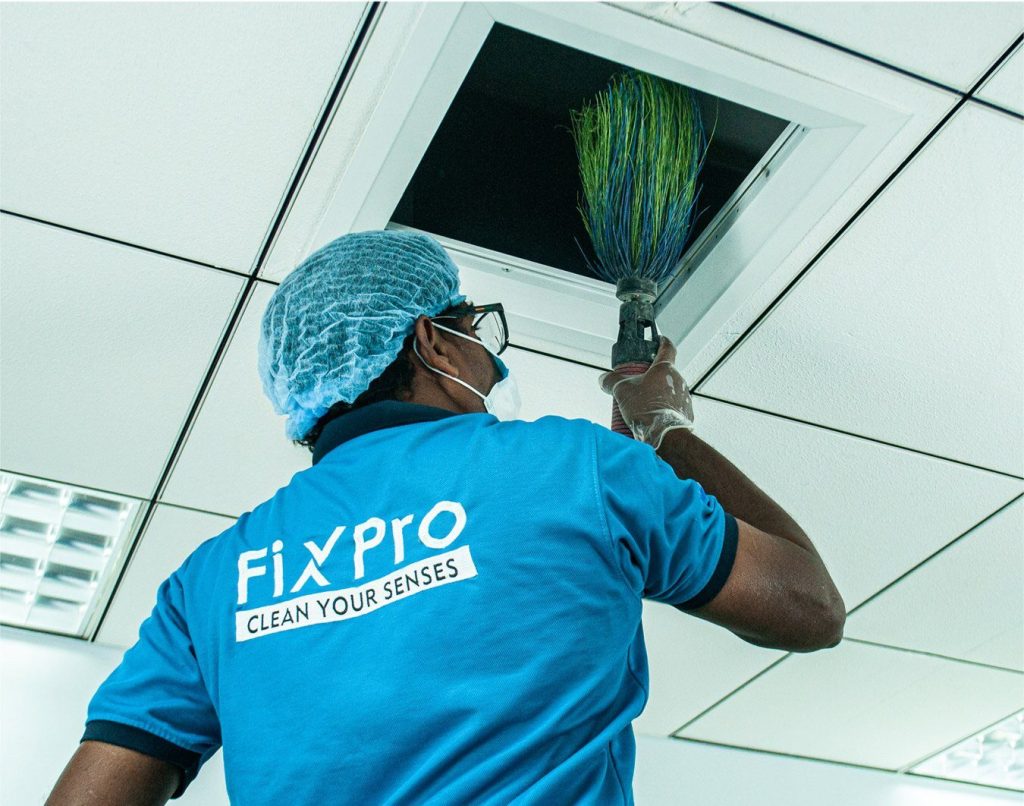
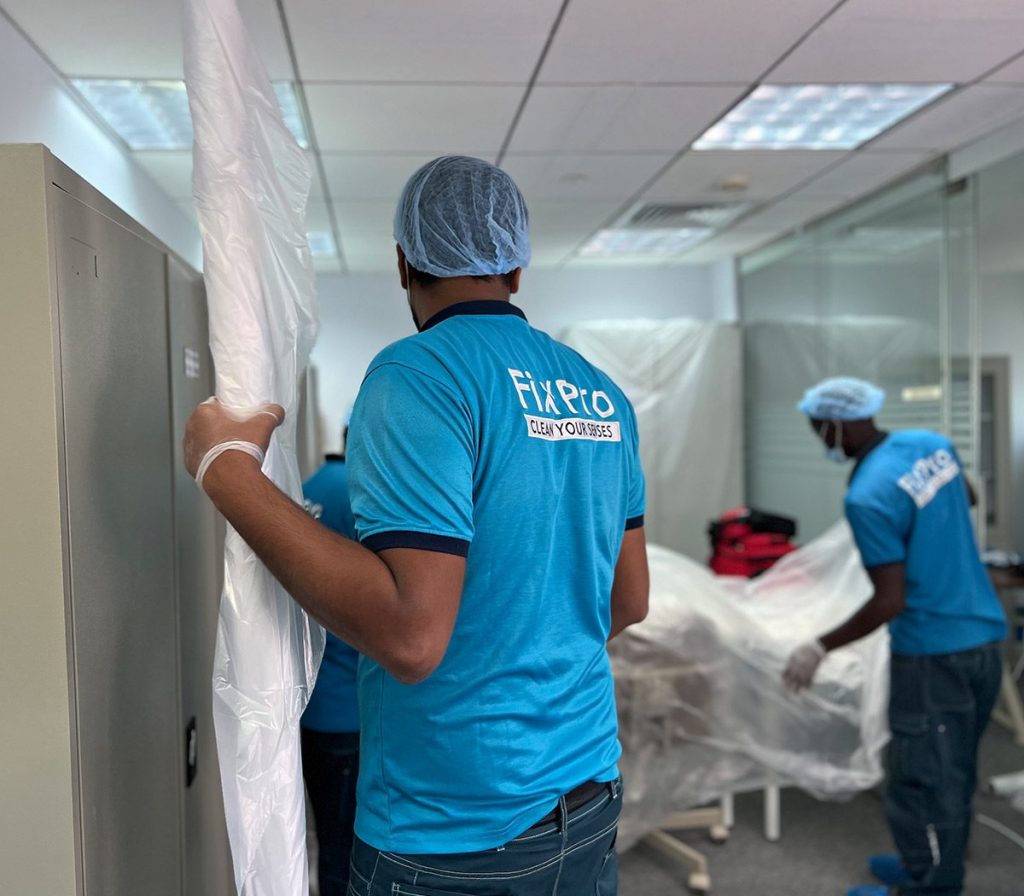


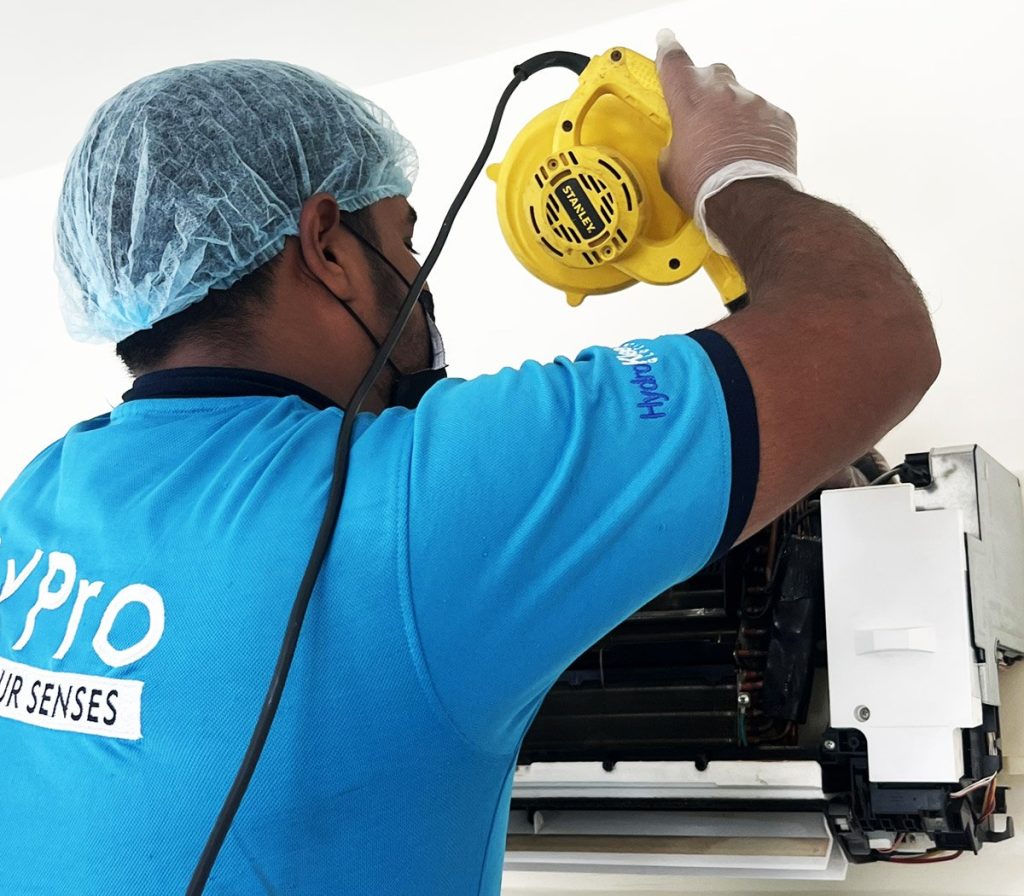
Regular, thorough cleaning helps the fan move air properly again. You typically notice quicker clearing of smoke when searing meat, less haze near the ceiling, and fewer sticky surfaces near the stove. Over time, this can contribute to a more comfortable breathing environment, especially in closed, air-conditioned apartments common across the UAE.
Fire Risk: Grease Is Fuel
Grease inside ducts is essentially fuel. If a flame flares up from a pan or a gas burner malfunctions, hot gases can travel into the hood. In a heavily contaminated system, this can, in some cases, help a fire spread faster. An annual contract does not remove risk completely, but it usually keeps grease layers thinner and less continuous, which can reduce how quickly a fire might travel.
Many property managers in the region treat kitchen exhaust cleaning as part of their overall fire-safety routine, alongside extinguisher checks and emergency lighting tests. Even in a home kitchen, keeping the exhaust path cleaner is a simple, practical step in the same direction.
How an Annual Contract Brings Peace of Mind
Peace of mind comes from not having to think about the system every time you cook. With an annual kitchen exhaust cleaning contract, you agree on a schedule, scope, and response time in advance. The provider then reminds you when service is due, turns up with the right tools, and documents what they did. You are not scrambling to find help when the hood suddenly starts dripping or smelling.
Predictable Scheduling and Less Disruption
Most contracts allow you to choose low-traffic times. A restaurant might book cleaning after closing, while a villa owner might choose a weekday morning. Because the visit is planned, you can cover food, move fragile items, and inform staff or family. This usually means less mess, fewer surprises, and a faster return to normal cooking.
Cost Control Over the Year
One-off deep cleans after years of neglect can be expensive and may require minor repairs. With an annual contract, the work is usually lighter each time, so costs tend to be more stable. Some providers also bundle kitchen exhaust work with related services, such as duct cleaning Abu Dhabi or AC maintenance, which can simplify budgeting for building care.

Documentation for Landlords and Insurers
Many landlords, building managers, and some insurers prefer proof that exhaust systems are maintained. An annual contract usually includes basic documentation: service dates, areas cleaned, and sometimes before–after photos. This paperwork can be useful during tenancy handovers, inspections, or if you ever need to demonstrate that you took reasonable steps to maintain the kitchen safely.
What Actually Gets Cleaned in a Kitchen Exhaust System?
To understand the value of a contract, it helps to know what is included. Exact scope varies by provider, but most thorough annual kitchen exhaust cleaning contracts cover several key components from the cooking area up to the discharge point.
Hood, Filters, and Surrounding Surfaces
The visible hood and baffle or mesh filters are usually the first focus. Technicians typically remove filters, soak or degrease them, and clean the inside of the hood canopy. They may also wipe nearby stainless-steel panels and light covers. In a busy restaurant, this can reveal metal that has not been properly clean for months, improving both hygiene and appearance.
Ductwork and Fan
Grease tends to accumulate heavily in horizontal duct sections and around bends. Technicians often use mechanical brushes, scrapers, and degreasing chemicals to loosen deposits, then wipe or vacuum them out. The fan housing and blades are also cleaned where accessible. A cleaner fan can often run more quietly and with less vibration, which your staff or family may notice immediately.
Roof or External Discharge Point
On villas and low-rise buildings, the exhaust may exit through a wall or roof cowl. These areas can collect sticky residue and dust, sometimes staining nearby walls. As part of an annual contract, technicians usually clean accessible external parts and check that louvers or cowls are not blocked. This helps maintain airflow and reduces the chance of smells drifting to neighbours.

How Often Should You Clean? Annual vs More Frequent
The phrase “annual kitchen exhaust cleaning contract” suggests once per year, but the right frequency depends heavily on how you cook. Providers commonly adjust schedules based on usage, fuel type, and menu style.
| Kitchen type | Typical usage level | Common cleaning frequency |
|---|---|---|
| Home apartment kitchen | Daily light to moderate cooking | Every 12–18 months, filters more often |
| Villa with heavy frying | Frequent deep-frying and grilling | Every 6–12 months, depending on grease |
| Casual restaurant | Long hours, mixed cooking methods | Typically 3–6 months |
| Fast-food outlet | Continuous frying, high grease output | Often 1–3 months |
| Low-use pantry kitchen | Occasional reheating only | Inspection yearly, clean as needed |
These ranges are typical, not strict rules. Some local authorities or landlords may require specific intervals, especially for commercial kitchens. It is wise to ask your building management or municipality if any written requirements apply to you.
Even with a contract, you may still need to clean or replace filters more frequently yourself. Many households wash metal filters monthly and replace charcoal filters every few months, depending on manufacturer guidance.
What a Good Annual Exhaust Cleaning Contract Should Include
Not all contracts are equal. When you compare offers, focus less on the logo and more on what is clearly written down. A simple, transparent contract usually causes fewer arguments later.
Clear Scope of Work
The contract should describe exactly which parts will be cleaned: hood, filters, accessible ducts, fan, and external discharge where reachable. It should also state what is not included, such as inaccessible ducts behind sealed ceilings or structural modifications. This clarity helps you understand what you are paying for and reduces unrealistic expectations.
Frequency and Scheduling Rules
Look for a schedule that matches your actual cooking. A restaurant may need several visits per year, while a home may be fine with one. The contract should explain how to book visits, how much notice is needed to reschedule, and what happens if technicians cannot access the kitchen at the agreed time.
Basic Safety and Protection Measures
Technicians should protect nearby surfaces with plastic or cloth, switch off power where necessary, and follow basic ladder and chemical safety. You can simply ask, “How do you protect my equipment and staff during cleaning?” Their answer will tell you a lot about their habits.

Reporting and Photos
Many modern providers take quick before–after photos of key areas and share a short report. This might be as simple as a one-page summary, but it helps you track condition over time. If you manage several properties, such documentation can be especially useful for planning future maintenance.
How Exhaust Cleaning Connects to the Rest of Your Building
Your kitchen exhaust does not work in isolation. It pulls air from inside your home or restaurant, and that air is usually cooled by your AC system. If the exhaust is weak, smoke and moisture may drift into other rooms, where they can affect fabrics, walls, and even AC filters.
Some property managers coordinate exhaust cleaning with broader MEP services, so electrical, plumbing, and ventilation checks happen in a more organised way. Others combine it with AC maintenance Abu Dhabi or AC cleaning to reduce repeated disruptions for tenants or staff.
Brands like fixpro sometimes bundle exhaust work into a wider AMC contract Abu Dhabi, especially for commercial sites. That can simplify communication, but you should still check that the exhaust scope is described clearly and not just mentioned in passing.
Simple Habits to Support Your Annual Contract
An annual kitchen exhaust cleaning contract does the heavy lifting, but your daily habits still matter. A few small routines can keep the system cleaner between visits and may even extend fan life.
Use the Hood Correctly
- Switch the hood on a few minutes before cooking to start airflow.
- Use higher speeds during frying or grilling, then reduce later.
- Let the fan run a few minutes after cooking to clear remaining vapour.
Keep Filters Under Control
Wash metal filters regularly according to the manufacturer’s instructions. Many people soak them in hot, soapy water and rinse thoroughly. Avoid harsh scrubbing that could damage them. For charcoal filters, follow replacement intervals suggested by the hood manufacturer, as these filters cannot usually be washed effectively.
Watch for Early Warning Signs
- Strong cooking smells linger much longer than before.
- Visible smoke hangs in the kitchen even with the fan on high.
- Grease drips from the hood edges or light fixtures.
- The fan becomes unusually noisy or vibrates strongly.
If you notice these signs well before your next scheduled visit, it may be worth asking your provider to inspect earlier. They can then adjust the contract frequency based on real usage rather than estimates.
FAQ
Is an annual kitchen exhaust cleaning contract really necessary for a home kitchen?
For light home cooking, a yearly contract is often more about convenience than strict necessity, but one scheduled deep clean can noticeably reduce smells and sticky residue.
How long does professional exhaust cleaning usually take?
A typical home job might take two to four hours, while a busy restaurant system can easily require half a day or more, depending on access and grease levels.
Will cleaning my kitchen exhaust reduce my electricity bill?
A cleaner fan usually runs more efficiently, so there may be modest energy savings, but the bigger benefits are comfort, better airflow, and potentially fewer breakdowns.
Can I just clean the hood and filters myself instead of a contract?
You can definitely wash filters and wipe the hood, but internal ducts and fans are harder to reach safely, so many people still choose periodic professional cleaning.
Does exhaust cleaning remove all fire risk from my kitchen?
No service can remove fire risk completely, but keeping grease layers thinner, combined with safe cooking habits and working extinguishers, usually lowers overall risk meaningfully.
How do I know if my current provider is doing a thorough job?
Ask for before–after photos of ducts and fans, check for proper protection of your kitchen, and see whether they provide a short written report after each visit.
Methodology and Limitations
This article draws on common practices in residential and commercial kitchens, general guidance from hygiene and fire-safety professionals, and typical maintenance patterns seen in UAE buildings. It does not reference specific local regulations, because requirements can differ between emirates, municipalities, and building types.
Any timeframes or frequencies mentioned are typical examples, not strict rules. Your ideal schedule may differ based on menu, cooking hours, equipment, and landlord or authority requirements. For precise obligations, you should check your tenancy contract, building rules, and any written instructions from local authorities or insurers.
Next Step: Decide Your Level of Protection
If your hood is noisy, greasy, or simply overdue, start by noting how often you cook and how smoky your kitchen feels. Then speak with a maintenance provider, share those details, and ask them to propose an annual kitchen exhaust cleaning contract that fits your real usage rather than a generic package.